You put on your AirPods, tap play on a Dolby Atmos track in Apple Music, and suddenly the drums are behind you, the vocals are in front, and the guitar is drifting left to right. You turn your head and the soundstage stays fixed in space — the singer does not rotate with your skull. This is spatial audio, and it is the biggest shift in how we listen to music since stereo replaced mono in the 1960s. But Apple, Sony, and Dolby all mean slightly different things when they use the term, which makes the whole topic needlessly confusing.
In This Article
- What Spatial Audio Actually Means
- Apple Spatial Audio Explained
- Dolby Atmos Music: The Format Behind It
- Sony 360 Reality Audio
- Head Tracking: The Immersive Trick
- What Equipment Do You Need
- Does It Actually Sound Better
- Where to Find Spatial Audio Content
- Frequently Asked Questions
What Spatial Audio Actually Means
Spatial audio is an umbrella term for any audio technology that places sounds in three-dimensional space around the listener — above, below, beside, behind, and in front — rather than the traditional left/right stereo split.
The Problem with Stereo
Standard stereo has two channels: left and right. Every sound is positioned somewhere on a line between your left ear and your right ear. This works for most music, but it cannot place a sound behind you, above you, or at a specific point in 3D space. It is a flat canvas when the real world is a sphere.
The Spatial Solution
Spatial audio formats encode sound with positional data — not just “how loud in the left channel” but “this sound is positioned at 45 degrees left, 30 degrees above, 2 metres away.” Your playback device (headphones, speakers, soundbar) then renders that positional data into what you actually hear, creating the illusion of 3D placement from whatever hardware you own.
Why It Matters Now
Two things converged: streaming services adopted spatial formats (Apple Music, Amazon Music, Tidal), and consumer hardware became capable of rendering it convincingly (AirPods Pro with head tracking, Sony WH-1000XM5 with 360RA). Five years ago, spatial audio required a room full of speakers. Now it works in £50 earbuds on the train.
Apple Spatial Audio Explained
Apple’s implementation is the most widely experienced because it works automatically with AirPods and Apple Music — hundreds of millions of users have hardware that supports it without buying anything extra.
What Apple Means by “Spatial Audio”
Apple uses the term to describe their rendering engine — the software that takes a Dolby Atmos track and converts it into binaural audio for your headphones. The underlying format is Dolby Atmos (Apple did not create a new audio format). Apple’s contribution is the rendering quality and the head-tracking integration.
Head Tracking Integration
With AirPods Pro or AirPods Max, Apple uses accelerometers in the earbuds to detect head movement and adjusts the audio in real-time so the soundstage stays fixed relative to your device. Turn your head left and the centre vocal appears to shift to your right ear — because in the virtual “room,” the singer is still in front of your iPhone, not in front of your face.
Personalised Spatial Audio
Using the iPhone’s TrueDepth camera, Apple scans your ear shape and creates a personalised HRTF (Head-Related Transfer Function) profile. This improves spatial accuracy because everyone’s ears are shaped differently, which affects how we localise sounds. The personalisation is optional but noticeably improves elevation perception (sounds above/below you).
Compatible Devices
- Headphones: AirPods Pro (1st/2nd gen), AirPods Max, AirPods 3rd gen, Beats Fit Pro
- Speakers: HomePod (2nd gen), HomePod mini (limited implementation)
- Source devices: iPhone 7+, iPad Air 3+, Apple TV 4K, MacBook (M1+)
Third-party headphones play Dolby Atmos tracks from Apple Music but without head tracking — you get spatial mixing without the interactive element.
Dolby Atmos Music: The Format Behind It
Dolby Atmos is the actual audio format that Apple, Amazon, and Tidal use for spatial music. It was originally designed for cinema (2012) and adapted for music in 2019. When you see “Dolby Atmos” on a track in Apple Music or Amazon Music HD, that is the spatial data being delivered.
How Atmos Music Works
A Dolby Atmos music mix can contain up to 128 audio objects plus a 7.1.4 channel bed. The mixer positions each instrument and vocal as an object in 3D space — “put the hi-hat at 10 o’clock, 2 metres high” rather than “pan the hi-hat 30% left.” Your playback device receives these objects and renders them to whatever you are listening on. For a related angle, see our Dolby Atmos Explained: Is It Worth It at Home? guide.
The Renderer Matters
The same Atmos track sounds different on AirPods (binaural rendering for two drivers), a soundbar (bouncing sound off walls), and a full 7.1.4 speaker system (discrete speakers at each position). The format is the same — the renderer adapts it to your hardware. Better hardware = more accurate rendering = more convincing spatial effect.
Artist Adoption
Major artists releasing in Atmos: The Weeknd, Billie Eilish, Olivia Rodrigo, The Beatles (remasters), Pink Floyd, Hans Zimmer. The catalogue is growing monthly. Some mixes are exceptional (transformative experience); others feel like afterthoughts (stereo mix with some reverb added for width). Quality varies because mixing in Atmos is a skill that engineers are still developing.
For a comparison of Dolby Atmos vs DTS:X in home cinema, see our dedicated guide — the cinema and music implementations differ in important ways.
Sony 360 Reality Audio
Sony’s competing spatial format, technically different from Dolby Atmos and available on different platforms.
How It Differs from Atmos
Sony 360 Reality Audio uses MPEG-H 3D Audio encoding rather than Dolby’s proprietary codec. It positions sounds on a sphere around the listener (hence “360”) and is designed specifically for music rather than being adapted from a cinema format. The result is similar to Atmos in concept but produced with different tools and delivered through different channels.
Where to Find It
- Tidal — the primary UK streaming platform for 360RA content
- Amazon Music Unlimited — growing 360RA catalogue alongside Atmos
- Deezer — limited selection
- NOT Apple Music — Apple exclusively uses Dolby Atmos, not Sony’s format
Compatible Headphones
Any headphones work for basic 360RA playback (the app/service renders it binaurally). For personalised spatial audio, Sony’s own headphones (WH-1000XM5, WF-1000XM5) use their “360 Spatial Sound Personaliser” app to scan your ears with a phone camera — similar concept to Apple’s personalised spatial audio but using Sony’s own processing chain. Our Sony WH-1000XM5 vs Bose QC Ultra: Which Should You Buy? guide is useful alongside this.
Head Tracking: The Immersive Trick
Head tracking is what separates “spatial audio” from “surround sound in headphones.” Without it, the soundstage rotates with your head (just like stereo does). With it, the soundstage stays fixed in virtual space — creating the illusion that speakers exist around you rather than sounds being piped directly into your ears.
How It Works
Accelerometers and gyroscopes in the earbuds detect head rotation. The audio renderer adjusts channel balance in real-time (within 10-20 milliseconds) to compensate for the movement. Your brain interprets this as a stable external sound source rather than an internal one — the same way you perceive real speakers in a room staying put when you turn your head.
Does It Work Well?
For film and video (where the screen provides a visual anchor for “front”), head tracking is excellent — sounds stay locked to on-screen action. For music without video, opinions split: some people find it immersive, others find it distracting because there is no visual reference for “front.” Apple lets you disable head tracking independently from spatial audio if you want 3D mixing without the interactive positioning.
Latency and Artefacts
Early implementations had noticeable latency — you would turn your head and the audio lagged behind, creating a seasick feeling. Current-generation processing (AirPods Pro 2, Sony WF-1000XM5) has reduced this to imperceptible levels for most listeners. The Dolby Atmos guidance covers the technical benchmarks in more detail.
What Equipment Do You Need
Minimum for Headphone Spatial Audio
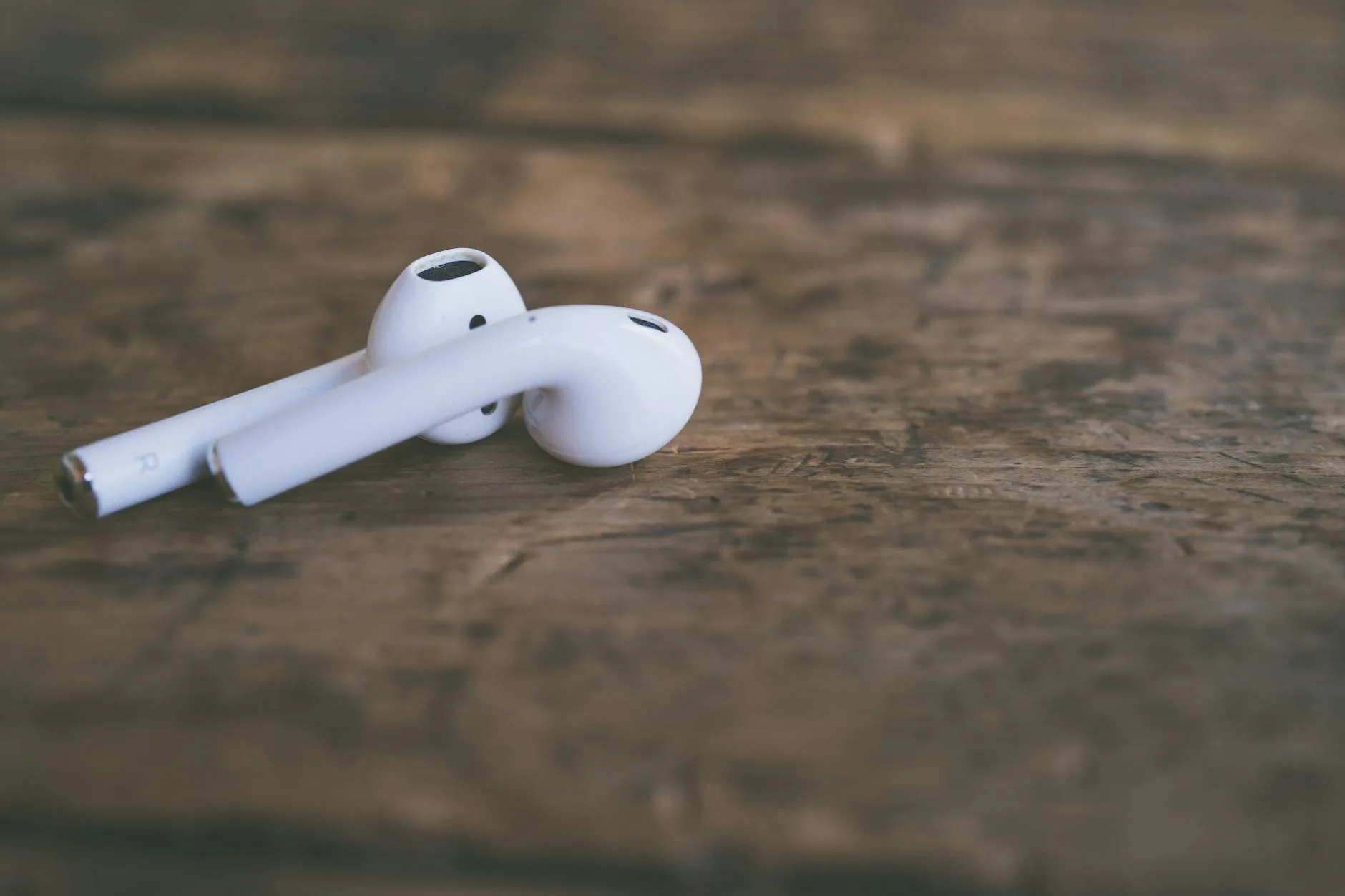
- Apple ecosystem: AirPods 3/Pro/Max + iPhone or iPad + Apple Music subscription (£10.99/month). Everything else happens automatically.
- Sony ecosystem: Sony WH/WF-1000XM5 + Tidal or Amazon Music + 360 Spatial Sound app
- Any headphones: Any wired or Bluetooth headphones + Apple Music or Amazon Music Unlimited. You get Atmos rendering without head tracking — the spatial effect works, just without interactive movement.
For Speaker-Based Spatial Audio
A Dolby Atmos soundbar or AV receiver with height speakers. This is the premium experience — sounds physically coming from different positions in your room. Minimum £300 for a basic Atmos soundbar (Sonos Beam Gen 2, Samsung HW-Q600C) up to £2,000+ for full speaker systems.
For Casual Listening
In practice, any modern headphones and a streaming subscription with Atmos content gets you 80% of the spatial experience. The head tracking and personalisation add the final 20% — impressive but not essential for enjoying spatial mixes.
Does It Actually Sound Better
When It Works
- Live recordings — spatial mixes of concerts place you in the audience with instruments around you. This is where spatial shines brightest.
- Complex productions — dense arrangements (orchestral, electronic, progressive rock) benefit from separation that stereo cannot achieve
- Acoustic/intimate — a singer positioned directly in front of you with instruments surrounding feels startlingly present
- Film scores — Hans Zimmer in Atmos is a different experience from stereo. Immersive and enveloping.
When It Does Not
- Lazy Atmos mixes — some tracks just add reverb and width to a stereo master. These sound worse than the original — washy, unfocused, and lacking punch.
- Guitar-based rock — simple band arrangements (guitar, bass, drums, vocal) often lose energy in spatial mixing. The intimacy of stereo serves raw rock better.
- Casual background listening — if music is on in the background while you work, you will not notice the spatial effect. It rewards focused, active listening.
The Honest Take
Spatial audio is not universally “better” than stereo. It is a different presentation that suits some music and some listening contexts. The best Atmos mixes (Abbey Road by The Beatles, Random Access Memories by Daft Punk, Renaissance by Beyoncé) are revelatory. The worst feel like gimmicks. As more artists and engineers master the format, the average quality is improving rapidly — but for now, check reviews of specific Atmos mixes before assuming they outperform the stereo version.
Where to Find Spatial Audio Content
Music
- Apple Music — largest Dolby Atmos music catalogue (10,000+ tracks). Look for the “Dolby Atmos” badge on albums. Included in standard £10.99/month subscription.
- Amazon Music Unlimited — Dolby Atmos and Sony 360RA tracks. £9.99/month (or included with Prime at reduced catalogue).
- Tidal — Dolby Atmos and Sony 360RA. £10.99/month (HiFi tier).
- Spotify — NO spatial audio as of 2026. Despite years of promises, Spotify has not launched spatial support.
Film and TV
- Netflix, Disney+, Apple TV+ — extensive Atmos catalogues for film/TV
- Amazon Prime Video — growing Atmos selection
- 4K Blu-ray — lossless Atmos and DTS:X on physical media
Gaming
- Xbox Series X/S — native Dolby Atmos support for headphones and speakers
- PS5 — Sony Tempest 3D Audio (proprietary, not Atmos/360RA)
- PC — Dolby Atmos via Dolby Access app, Windows Sonic (free), DTS Headphone:X
Frequently Asked Questions
Do I need expensive headphones for spatial audio? No — spatial rendering happens in software (your phone/computer), not hardware. Any headphones output the binaural result. Expensive headphones sound better overall (clearer, wider, more detailed) which makes spatial mixes more impressive, but £30 earbuds still deliver the 3D positioning effect. Head tracking does require specific hardware (AirPods Pro, Sony XM5, etc.).
Is spatial audio the same as surround sound? Related but different. Traditional surround sound (5.1, 7.1) uses fixed channels assigned to speaker positions. Spatial audio uses object-based positioning — sounds have coordinates in 3D space and the renderer adapts them to your specific setup. Spatial audio can be rendered to surround speakers, headphones, or a soundbar — it is format-agnostic in delivery.
Does spatial audio use more data/battery? Marginally. Atmos streams at slightly higher bitrate than standard stereo (768kbps vs 256kbps on Apple Music). Battery impact from head tracking is minimal — roughly 5-10% additional drain on AirPods Pro per listening session. Neither difference is enough to worry about for normal use.
Can I tell the difference on every track? No. Some Atmos mixes are subtle — a slightly wider stage, marginally better separation. Others are transformative — instruments clearly positioned in 3D space with height and depth. The quality depends entirely on how much effort the mixing engineer invested in the spatial version. Cherry-pick recommended Atmos mixes for the best demonstrations.
Will spatial audio replace stereo? Not in the foreseeable future. Stereo remains the standard production format, and most music is still mixed primarily in stereo with Atmos as an optional secondary mix. Spatial adds a dimension but stereo is not broken — it serves most music well. The two will coexist, with spatial growing as a premium option for listeners who want it.