You’re standing in Currys, staring at a wall of headphones hanging from pegs like some kind of audio advent calendar. There’s a pair for £19.99 and a pair for £399 hanging right next to each other, and they both say “premium sound” on the box. The staff member has just asked what you’re looking for and you’ve said “just good ones?” because you don’t actually know what separates a £20 headphone from a £400 headphone — or whether you’d even hear the difference.
Choosing headphones shouldn’t require an engineering degree, but the sheer number of options and specs makes it feel that way. Over-ear, on-ear, in-ear, open-back, closed-back, planar magnetic, dynamic driver, 40mm, 50mm, 20Hz-40kHz, 32 ohms, 250 ohms — it’s a lot of jargon for something that just needs to play music into your ears.
After testing over 40 pairs across every price range, let me cut through the noise (pun intended) and explain what actually matters, what doesn’t, and which headphones are worth your money at every budget.
The Three Form Factors: Over-Ear, On-Ear, In-Ear
This is the first and most important decision because it determines everything else — comfort, sound quality, portability, isolation, and how you’ll actually use the headphones day to day.
Over-Ear (Circumaural)
The ear cups surround your entire ear, creating a seal against the side of your head. This is the form factor that audiophiles gravitate towards, and for good reason: larger ear cups mean larger drivers, more internal air volume, and generally better sound quality.
Pros:
- Best sound quality at any given price point — the physics of larger drivers and bigger acoustic chambers favours over-ear designs
- Most comfortable for long sessions — the weight rests on your headband, not on your ears. A good over-ear headphone can be worn for 4-6 hours without fatigue
- Best passive isolation (closed-back models) — the full seal around your ears blocks external noise effectively even without ANC
- Best noise cancellation if ANC is included — the seal gives the electronics a head start
Cons:
- Bulky and heavy — not ideal for commuting or travel unless you have a bag. Carrying them around your neck works but looks a bit odd
- Hot in summer — sealed cups over your ears trap heat. On a packed Tube in July, you’ll notice
- Hair interference — the headband will dent styled hair. No way around this
- Not suitable for exercise — they bounce, slide, and fill with sweat
Best for: Home listening, office work, long commutes, music production, gaming, anything where you’ll be relatively still.
On-Ear (Supra-aural)
The ear cups sit on top of your ears rather than around them. Think of classic portable headphones — smaller than over-ear, larger than earbuds.
Pros:
- More portable than over-ear — lighter, often foldable, easier to carry
- Less heat build-up — the smaller cups don’t fully enclose your ears
- Can be more stylish — the compact form works well as a fashion accessory
Cons:
- Less comfortable over time — the cups press directly on your ears, and after an hour or two, the cartilage starts to ache. Some people are fine with this; others find it unbearable
- Worse isolation — the seal against your ear isn’t as complete, so more outside noise leaks in and more of your music leaks out
- Smaller drivers — typically 30-40mm compared to 40-50mm in over-ears, which can limit bass response
Best for: Short commutes, portable use, people who find over-ears too bulky but don’t like in-ears.
On-ear headphones have fallen out of favour recently. The market has polarised towards over-ear (for quality) and in-ear (for convenience), with on-ear stuck in the middle serving neither purpose brilliantly. There are still good ones — the Beyerdynamic Aventho and Sennheiser HD 25 are classics — but the category has shrunk.
In-Ear (Earbuds / IEMs)
Small earpieces that sit in or over the ear canal. This includes both true wireless earbuds (AirPods, Galaxy Buds) and wired in-ear monitors (IEMs). The technology inside varies wildly from basic £10 earbuds to £1,000+ IEMs.
Pros:
- Maximum portability — fits in a pocket, weighs almost nothing
- Great for exercise — properly fitted earbuds stay put during running, gym work, and sports
- Good isolation (with silicone or foam tips) — a well-sealed ear tip blocks external noise passively before ANC even kicks in
- Discreet — less visible than headphones, which matters in professional settings
Cons:
- Comfort varies wildly — ear canal shape is highly individual. Tips that fit perfectly in one person’s ears fall out of another’s
- Ear fatigue — wearing anything in your ear canal for hours isn’t natural. Most people need a break after 2-3 hours
- Typically smaller soundstage — the drivers are tiny (6-12mm typically), and the sound can feel more “inside your head” compared to over-ears
- Hygiene — ear tips need regular cleaning. Earwax builds up. It’s a fact of life
- Easy to lose — true wireless earbuds are small, and one dropped on a train platform is gone forever
Best for: Commuting, exercise, calls, everyday portable use, people who want their headphones to be invisible.
Open-Back vs Closed-Back: The Hidden Decision
This only applies to over-ear and some on-ear headphones, but it’s one of the biggest factors in how headphones sound.
Closed-Back
The ear cups are sealed — no air or sound passes through the outer shell. This is what most consumer headphones are. Sony, Bose, Beats, most gaming headsets — all closed-back.
The sound: Bass tends to be more prominent because the sealed chamber resonates at low frequencies. The soundstage (how wide and spacious the music feels) is narrower — sound feels like it’s coming from inside your head rather than around you.
Isolation: Excellent. You hear less outside noise, and people around you hear less of your music. This is what you want on public transport, in offices, or anywhere you’re around other people.
Open-Back
The ear cups have grilles or perforations that let air and sound pass through freely. You can literally see the driver through the back of the cup on many open-back headphones.
The sound: This is where it gets interesting. Because the driver isn’t firing into a sealed chamber, the sound waves behave more naturally. The result is a wider, more open soundstage — music feels like it surrounds you rather than sitting between your ears. Instrument separation improves. The bass is often less punchy but more accurate and textured. Vocals can sound more natural and forward.
Many audiophiles strongly prefer open-back headphones because the presentation feels more like listening to speakers in a room than listening to headphones. The Sennheiser HD 600 series, Beyerdynamic DT 990, and HiFiMAN Sundara are classics of the open-back genre.
Isolation: None. Zero. You hear everything around you, and everyone around you hears your music. Open-back headphones at a reasonable volume can be heard clearly from 2-3 metres away.
The verdict: Open-back for home listening where you won’t disturb anyone and outside noise isn’t an issue. Closed-back for everywhere else. If you live alone or have a dedicated listening room, open-back headphones are a revelation. If you share a flat, work in an office, or commute, closed-back is the practical choice.
Wired vs Wireless: The Trade-Offs

Wireless (Bluetooth)
The convenience argument is over — wireless won. Bluetooth headphones outsell wired by a massive margin, and for most people, they’re the right choice. Modern Bluetooth (5.2 and above) with good codecs sounds excellent, and the freedom from cables is liberating. If you want to understand noise cancellation technology, our guide to how ANC works covers it in depth.
What affects wireless sound quality:
Bluetooth codecs are the compression systems that transmit audio from your phone to your headphones. They matter more than most other specs:
- SBC — the baseline. Every Bluetooth device supports it. Quality is acceptable but noticeably compressed. Like listening to a medium-quality MP3.
- AAC — Apple’s preferred codec. Better than SBC, standard on iPhones. Quality is good — most people can’t distinguish AAC Bluetooth from wired in casual listening.
- aptX / aptX HD — Qualcomm’s codecs, common on Android phones. aptX HD in particular sounds very good, approaching CD quality.
- LDAC — Sony’s high-resolution Bluetooth codec. The best-sounding wireless option, supporting up to 990kbps. Available on most Android phones and Sony headphones.
- LC3plus / LE Audio — the newer Bluetooth LE Audio standard. Better quality and lower latency than previous codecs. Still rolling out across devices in 2026.
Latency is the delay between what’s happening on screen and what you hear. For music, latency doesn’t matter. For video, even 200ms of delay means lips are out of sync. For gaming, it’s unplayable.
Standard Bluetooth has about 150-250ms latency. aptX Low Latency reduces this to about 40ms. Apple’s proprietary connection with AirPods is about 100ms. For watching video, most modern headphones compensate well enough. For competitive gaming, wired is still the only reliable option.
Battery life ranges from 4-6 hours for true wireless earbuds to 30-60 hours for over-ear headphones. If battery anxiety stresses you, over-ear wireless headphones are best — most last a full work week on a single charge.
Wired
Wired headphones have no battery to die, no Bluetooth to connect, no latency, and (all else being equal) can deliver better audio quality because there’s no compression in the signal chain. For a related angle, see our What Is Spatial Audio? Apple, Dolby & Sony Explained guide.
For casual listening, the quality difference between wired and good Bluetooth is minimal. You’d need trained ears, lossless source files, and a quiet room to reliably distinguish them in a blind test. But for critical listening, music production, or audiophile setups, wired still wins.
Wired headphones also tend to be cheaper at equivalent quality levels because there’s no battery, Bluetooth hardware, or ANC electronics adding to the cost. A £100 wired headphone often outperforms a £200 wireless one in pure sound quality.
The practical issue: Most phones don’t have headphone jacks anymore. You’ll need a USB-C to 3.5mm adapter (about £8-15 for a decent one from Apple or Samsung), or a portable DAC/amp for higher-end headphones.
My take: Go wireless for everyday use — the convenience is worth the minimal quality trade-off. We’ve tested the top options in our best wireless headphones 2026 roundup. Go wired for home listening, music production, or if you’re spending over £200 and want maximum sound quality per pound.
What Specs Actually Mean
Driver Size
The diameter of the speaker element inside the headphone, measured in millimetres. Over-ear headphones typically use 40-50mm drivers. In-ear monitors use 6-12mm drivers.
What it means in practice: Bigger drivers can move more air, which generally means better bass response and dynamics. But driver size alone doesn’t determine sound quality — a well-designed 40mm driver can outperform a poorly designed 50mm one. Don’t buy headphones purely because they have the biggest driver.
Impedance (Ohms)
Impedance is the resistance the headphone presents to the audio signal. Low impedance (16-32 ohms) means the headphone is easy to drive — your phone can power it at full quality. High impedance (80-600 ohms) means the headphone needs more power, typically from a dedicated headphone amplifier.
Practical guide:
- 16-32 ohms — works fine with phones, laptops, and tablets. This is most consumer headphones.
- 32-80 ohms — usually fine with phones, though a small USB-C DAC/amp (about £30-50) can improve the sound
- 80-250 ohms — needs a headphone amplifier or a decent DAC/amp. Won’t reach full volume from a phone and will sound thin and weak without enough power
- 250-600 ohms — definitely needs a dedicated amp. These are studio and audiophile headphones designed for specific equipment
If you’re buying headphones for use with your phone, keep impedance under 50 ohms. Anything higher and you’ll need additional hardware.
Frequency Response
Usually listed as something like “20Hz – 20kHz” or “5Hz – 40kHz.” This is the range of frequencies the headphone can reproduce.
Human hearing ranges from about 20Hz (deep bass rumble) to 20kHz (the highest treble). By your mid-30s, most people can’t hear above 16-17kHz. By 50, it’s closer to 12-14kHz.
A frequency response of 20Hz-20kHz covers the full range of human hearing and is standard on virtually every headphone. Extended ranges like “5Hz-40kHz” sound impressive but are mostly inaudible — they can affect the perception of sound through overtones and harmonics, but the difference is subtle at best.
What the spec doesn’t tell you: How flat or coloured the response is within that range. A headphone that boosts bass by 10dB and cuts treble by 5dB might have the same “20Hz-20kHz” spec as one with a perfectly flat response, but they’d sound completely different. Frequency response graphs (available for most serious headphones on sites like rtings.com) are far more useful than the simple range number. Our How to Choose Headphones for Music Production guide is useful alongside this.
Sensitivity (dB/mW)
How loud the headphone gets for a given amount of power. Higher sensitivity means louder at the same volume setting. Most consumer headphones are sensitive enough that this doesn’t matter — you’ll hit dangerous volumes before you run out of headroom.
It becomes relevant with high-impedance headphones: a low-sensitivity, high-impedance headphone will barely whisper out of a phone’s headphone jack.
Budget Tiers: Best UK Picks at Every Price
Under £50: The Essentials
At this price, you’re getting competent sound without frills. Perfect for everyday use, commuting, and gym.
Best wired: Samsung Galaxy Buds FE (about £40-50) — ANC, decent sound, comfortable fit. If you have a Samsung phone, the integration is seamless. excellent for the price.
Best wireless over-ear: JBL Tune 520BT (about £35-40) — No ANC at this price, but the sound is balanced and pleasant. Comfortable, 57-hour battery life, foldable. The default recommendation for “I just want wireless headphones.”
Best wired IEM: Moondrop Chu II (about £20) — This is a bit of an insider pick, but the audiophile community has gone mad for ultra-budget IEMs in recent years, and the Moondrop Chu II punches absurdly above its price. Neutral, detailed sound that embarrasses wireless earbuds costing three times as much. The cable is basic and there’s no microphone or remote, but for pure sound quality per pound, nothing at this price comes close. Available from Amazon UK, HiFiGo, or Linsoul.
Honourable mention: Soundcore Life Q30 (about £45-50) — Hybrid ANC in an over-ear headphone for under £50. The cancellation isn’t Sony-level, but it takes the edge off commute noise. Good sound, comfortable, 40-hour battery.
£50-150: The Sweet Spot
In our testing, this is where value peaks. You get genuinely good sound, build quality, and features without paying the premium tax.
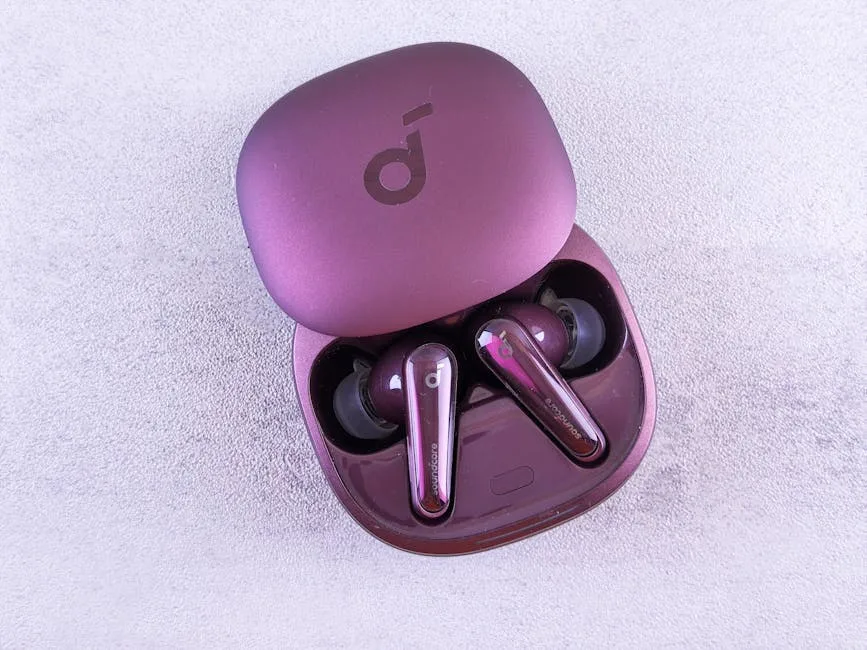
Best wireless earbuds: Sony WF-1000XM5 (about £130-150 on sale) — Sony’s flagship earbuds regularly drop below £150 now. Excellent ANC, outstanding sound quality, comfortable. The RRP is about £260 but they’ve been discounted aggressively. Check Amazon and Richer Sounds for deals.
Best wireless over-ear: Sony WH-1000XM4 (about £180-200, often sale at £150) — The previous-gen Sony flagship is still one of the best wireless headphones you can buy. ANC is excellent, sound quality is great, battery is 30 hours. At £150 during sales, it’s an absolute steal.
Best wired open-back: Beyerdynamic DT 770 Pro (about £100-120) — Wait, this is closed-back, not open-back. Let me correct that. The Beyerdynamic DT 990 Pro (about £100-120) is the open-back option — bright, detailed, wide soundstage. Brilliant for home listening and gaming. Needs a headphone output with a bit of grunt (the 80-ohm version works from most laptops; the 250-ohm version wants an amp). Available from Amazon UK, Richer Sounds, and Thomann.
Best wired closed-back: Beyerdynamic DT 770 Pro (about £100-120) — The studio monitoring classic. Comfortable enough for all-day wear, excellent isolation, detailed and slightly V-shaped sound (boosted bass and treble). The 32-ohm version works from phones; the 80-ohm version is the most popular overall. Every recording studio in the UK has a drawer full of these. We cover a similar decision in How to Set Up a Turntable: Beginner’s Guide.
Best for exercise: Jabra Elite 4 Active (about £70-80) — IP57 waterproof, secure fit, ANC, decent sound. Designed specifically for active use and they stay put during sprints, burpees, and any other movement that dislodges regular earbuds.
£150-300: Serious Listening
At this tier, you’re getting headphones that music professionals and audiophiles respect. The improvements over budget options are audible and meaningful.
Best wireless ANC: Sony WH-1000XM5 (about £250-300) — I’ve covered this elsewhere. If you want the best all-round wireless headphones, this is the default choice and has been for years. Best-in-class ANC, excellent sound, 30-hour battery.
Best wired open-back: Sennheiser HD 560S (about £130-150) — Neutral, accurate, with a wide soundstage that makes everything from jazz to gaming sound spatial and immersive. Very comfortable for long sessions. Easy to drive from most devices (120 ohms). This is the headphone that converts people to open-back listening.
Best wired open-back (upgrade): HiFiMAN Sundara (about £250-280) — Planar magnetic drivers instead of traditional dynamic drivers. The difference is audible: faster, more detailed bass; cleaner transients; a presentation that feels effortless. The Sundara is where many audiophiles stop upgrading because the improvements above this price point hit diminishing returns. Needs a headphone amp (about £50-100 for a decent one like the FiiO K5 Pro or iFi Zen DAC). Available from Amazon UK, Richer Sounds, Peter Tyson, and Audio Sanctuary.
Best wireless earbuds: Bose QuietComfort Ultra Earbuds (about £230-260) — The most comfortable ANC earbuds with the best noise cancellation in the earbud category. Sound quality is warm and engaging. If you prioritise comfort and ANC over absolute sound accuracy, these beat the Sony earbuds.
£300+: The Premium Tier
This is enthusiast territory. The headphones here are really excellent, but the improvements over the £150-300 tier are incremental rather than transformative. You’re paying for the last 10-15% of performance.
Best wireless: Bose QuietComfort Ultra Headphones (about £350-380) — The most comfortable premium wireless headphone with ANC that rivals the Sony. If comfort during long sessions is your priority, the Bose wins. Immersive Audio adds spatial sound for supported content.
Best wired open-back: Sennheiser HD 600 (about £300-350) — The reference headphone that’s been in production since 1997 and is still considered one of the most accurate headphones ever made. Neutral to the point of clinical, with a midrange that makes vocals sound astonishingly real. Every audio engineer knows this headphone. Needs an amp. Not exciting or “fun” — accurate and truthful.
Best wired closed-back: Focal Elegia (about £350-400 when available) — French-made, premium build, dynamic and detailed sound that’s unusual for closed-back headphones. Hard to find in the UK — check Richer Sounds, Audio Sanctuary, or the Focal UK website.
Best wired planar magnetic: HiFiMAN Edition XS (about £350-400) — A step up from the Sundara with larger drivers, a wider soundstage, and even more detail. Comfortable, striking design, and the kind of sound that makes you rediscover your music library.
How to Actually Decide
If this all feels like too many options, here’s a simplified decision path:
What’s your primary use?
- Commuting → wireless ANC (over-ear or earbuds depending on portability preference)
- Office work → wireless ANC over-ear (or open-back wired if you have a private office)
- Home music listening → wired open-back (start with Sennheiser HD 560S or Beyerdynamic DT 990)
- Exercise → wireless earbuds with IP rating (Jabra Elite 4 Active or similar)
- Gaming → wired open-back for immersion, closed-back for isolation
- Music production → wired closed-back (Beyerdynamic DT 770 or Audio-Technica ATH-M50x)
What’s your budget?
- Under £50 → JBL Tune 520BT (wireless) or Moondrop Chu II (wired)
- £50-150 → Sony XM4 on sale (wireless) or Beyerdynamic DT 770/990 (wired)
- £150-300 → Sony XM5 (wireless) or HiFiMAN Sundara (wired)
- £300+ → Bose QC Ultra (wireless) or Sennheiser HD 600 (wired)
Do you need ANC?
- Regular public transport user → Yes, it transforms the experience
- Mostly at home or in quiet environments → No, spend the money on better sound quality instead
- Open-plan office → Depends on noise level. ANC helps with HVAC drone and chatter; open-back sounds better in a quiet office
Where to Buy Headphones in the UK
High street:
- Richer Sounds — the best specialist audio retailer in the UK. Staff know their stuff, prices are competitive, and they often have open-box and refurbished deals. Demo units available for most headphones.
- John Lewis — 2-year guarantee included, which is excellent. Good range of mainstream brands. Staff knowledge varies.
- Currys — wide range but limited demo options. Useful for click-and-collect when you know what you want.
- Apple Store — obviously only for Apple products, but you can try AirPods before buying.
Online:
- Amazon UK — biggest selection, frequent deals, easy returns. Use CamelCamelCamel for price tracking.
- Richer Sounds online — same great service as in-store, sometimes exclusive deals
- HiFi Headphones (hifiheadphones.co.uk) — specialist UK retailer for audiophile gear
- Peter Tyson — another UK specialist, good for higher-end brands
- Thomann — German music equipment retailer that ships to the UK. Often the cheapest for pro audio and studio headphones.
Buying tips:
- Always try before buying if possible. Comfort is subjective — what’s bliss for one person is torture for another.
- Check return policies. Amazon’s 30-day return window lets you try headphones at home and return them if they’re not right.
- Black Friday (November) is the best time to buy headphones in the UK. Discounts of 30-50% on previous-generation models are standard.
- Refurbished from Richer Sounds or manufacturer outlets (Sony, Bose) can save 30-40% with full warranty.
Final Thoughts
The best headphones are the ones you’ll actually use. A £300 audiophile headphone sitting in a drawer because it’s too bulky for your commute is worth less than £40 wireless earbuds that go everywhere with you.
Figure out your primary use case, set a budget, and buy the best option for that specific combination. Don’t be swayed by reviews praising headphones designed for completely different scenarios than yours.
And if you take one thing from this guide: try before you buy, especially for over-ear headphones. Comfort, clamping force, and ear cup size are things you can’t judge from a spec sheet. Walk into Richer Sounds, try three or four pairs, and trust your ears and your head. They know what they like.
Frequently Asked Questions
What’s your primary use? Commuting → wireless ANC (over-ear or earbuds depending on portability preference) Office work → wireless ANC over-ear (or open-back wired if you have a private office) Home music listening → wired open-back (start with Sennheiser HD 560S or Beyerdynamic DT 990) Exercise → wireless earbuds with IP rating (Jabra Elite 4 Active or similar) Gaming → wired open-back for immersion, closed-back for isolation Music production → wired closed-back (Beyerdynamic DT 770 or Audio-Technica ATH-M50x)
What’s your budget? Under £50 → JBL Tune 520BT (wireless) or Moondrop Chu II (wired) £50-150 → Sony XM4 on sale (wireless) or Beyerdynamic DT 770/990 (wired) £150-300 → Sony XM5 (wireless) or HiFiMAN Sundara (wired) £300+ → Bose QC Ultra (wireless) or Sennheiser HD 600 (wired)
Do you need ANC? Regular public transport user → Yes, it transforms the experience Mostly at home or in quiet environments → No, spend the money on better sound quality instead Open-plan office → Depends on noise level. ANC helps with HVAC drone and chatter; open-back sounds better in a quiet office Where to Buy Headphones in the UK High street: Richer Sounds — the best specialist audio retailer in the UK. Staff know their stuff, prices are competitive, and they often have open-box and refurbished deals. Demo un
What should I check first with How to Choose Headphones: The Complete Buyer’s Guide? Start with the real use case, then check size, compatibility, running costs and maintenance. A product that looks good on paper can still be the wrong fit if it does not suit the room, routine or budget.
How do I avoid wasting money on How to Choose Headphones: The Complete Buyer’s Guide? Avoid buying on one headline feature alone. Compare the practical details, read the warranty or returns terms, and choose the option that solves your main problem rather than the one with the longest specification list.