You’ve been buying vinyl for months — maybe years — and playing it through a mate’s system or a cheap all-in-one from Argos that skips every time someone walks past. The stylus drags through the grooves like a plough through wet earth. You know it’s time to upgrade, but the moment you search for turntables, you’re hit with a wall of jargon: belt drive vs direct drive, moving magnet vs moving coil, adjustable counterweight, anti-skate, built-in preamp. And prices range from £80 to £8,000 with no obvious reason for the gap.
The good news: £300 is the sweet spot where turntables stop compromising. At this budget you get proper tonearms, decent cartridges, and build quality that won’t embarrass your record collection. We’ve tested the best options available in the UK right now, and this guide covers our top picks alongside everything you need to know before buying.
In This Article
- Our Top Pick for Most People
- What Makes a Good Turntable at This Price
- Belt Drive vs Direct Drive: Which Matters More?
- Built-In Preamp: Convenience vs Quality
- Best Turntables Under £300: Our Picks
- Audio-Technica AT-LP120XUSB
- Rega Planar 1 Plus
- Pro-Ject Debut Carbon Evo
- Fluance RT82
- Sony PS-LX310BT
- Head-to-Head: Audio-Technica vs Rega vs Pro-Ject
- What Else You’ll Need
- Where to Buy Turntables in the UK
- Frequently Asked Questions
Our Top Pick for Most People
If you want one recommendation and don’t need to read further: the Audio-Technica AT-LP120XUSB (about £250 from Amazon UK or Richer Sounds) is the best turntable under £300 for most people. It has a built-in phono preamp, USB output for digitising vinyl, a proper S-shaped tonearm with adjustable counterweight, and direct-drive motor. It works out of the box with any powered speakers or amplifier, sounds excellent for the price, and has enough upgrade potential to last years. We’ve been using one for over a year and it handles everything from 60s jazz pressings to new 180g reissues without complaint.
What Makes a Good Turntable at This Price
Below £150, turntables cut corners everywhere — flimsy platters, plastic tonearms, non-replaceable styli. Above £300, you start paying for audiophile-grade refinements that most listeners won’t notice without a high-end system behind them. The £200-300 range is where the engineering genuinely steps up.
The Features That Matter
- Motor quality — a stable, low-vibration motor keeps the platter spinning at exactly 33⅓ or 45 RPM. Speed consistency (measured as wow and flutter) directly affects how natural music sounds. Under £300, you want wow and flutter below 0.2%
- Tonearm — aluminium or carbon fibre, with adjustable counterweight and anti-skate. These adjustments let you set the correct tracking force for your cartridge, which affects both sound quality and record wear
- Cartridge — the needle assembly that reads the groove. At this price, you’ll get a moving magnet (MM) cartridge — the Audio-Technica AT-VM95E or Ortofon OM 10 are common bundled options, and both are genuinely good
- Platter — heavier is generally better. A die-cast aluminium platter with a felt or rubber mat absorbs resonance and keeps speed steady. Avoid lightweight plastic platters
- Build quality — the base should feel solid. MDF or aluminium chassis absorb vibrations better than hollow plastic shells
Features That Matter Less Than You’d Think
- Bluetooth — convenient, but the compression degrades the analogue signal you’re paying to hear. Fine for casual listening in another room, but don’t buy a turntable primarily for Bluetooth output
- USB output — useful for digitising your collection, but most people use it once then forget about it
- Auto-return — the tonearm lifts and returns when the record ends. Nice to have, but adds mechanical complexity. Most serious turntables in this range are manual
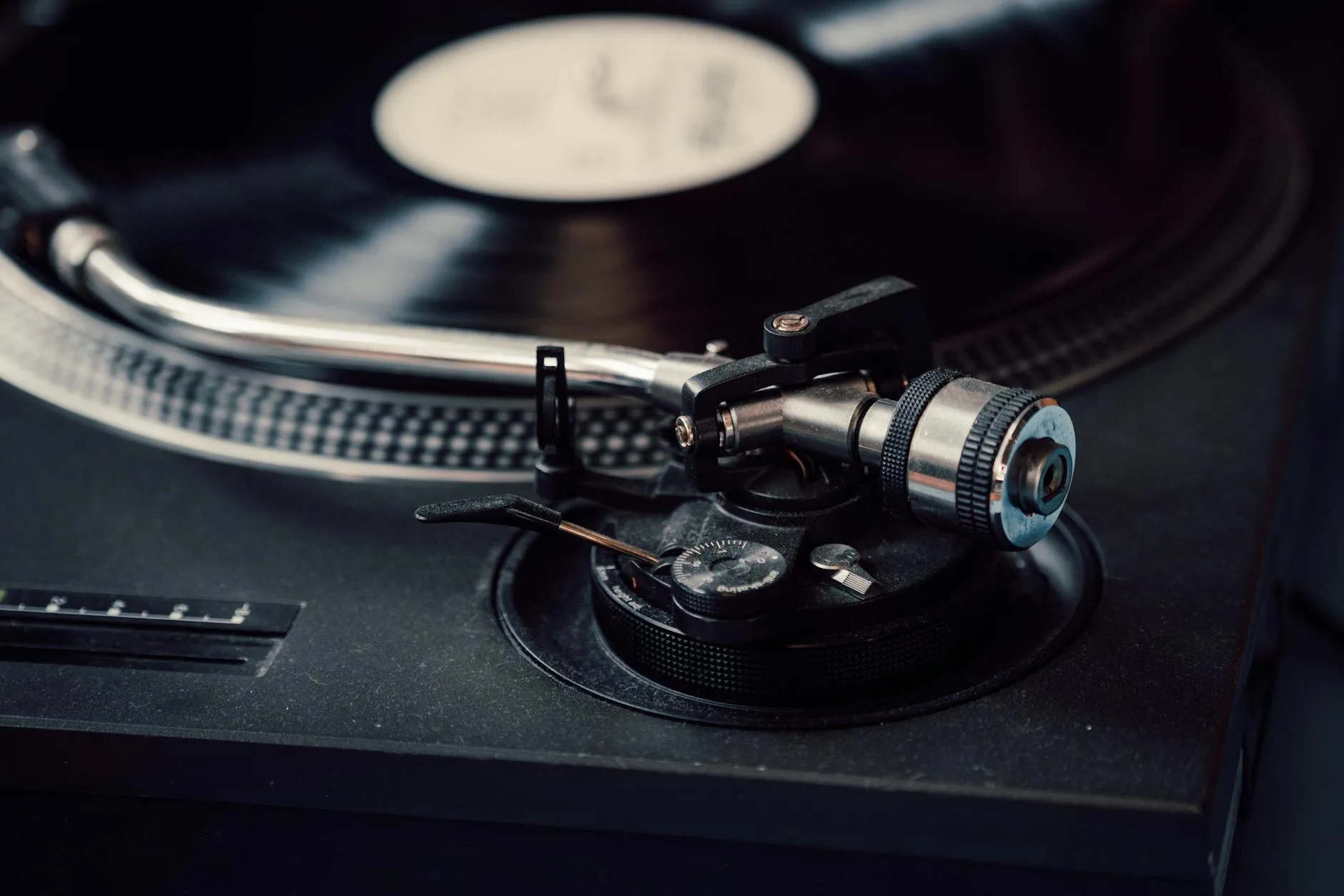
Belt Drive vs Direct Drive: Which Matters More?
This is the question that launches a thousand forum arguments. The honest answer: at this price, both work well and the difference is smaller than the internet suggests.
Belt Drive
The motor sits to the side and connects to the platter via a rubber belt. This isolates motor vibration from the platter, which reduces rumble — the low-frequency noise that muddies bass. Belt-drive turntables tend to be quieter, which audiophiles prefer.
Downsides: Belts stretch over time (replacement every 3-5 years, about £10-15) and speed can drift slightly. Some belt-drive models take a few seconds to reach full speed.
Best belt-drive under £300: Pro-Ject Debut Carbon Evo, Rega Planar 1 Plus
Direct Drive
The motor is directly connected to the platter spindle. Speed is precise and consistent, startup is instant, and there’s no belt to replace. DJs use direct drive because you can backspin without damaging anything.
Downsides: Motor vibration can transfer to the platter. At budget prices, this was a real problem — older cheap direct-drive decks sounded mechanical and harsh. Modern designs at the £200+ level have largely solved this with better damping.
Best direct-drive under £300: Audio-Technica AT-LP120XUSB
Built-In Preamp: Convenience vs Quality
Turntables output a very quiet signal called phono-level. To hear it through normal speakers or an amplifier, you need a phono preamp to boost and equalise the signal. Many turntables under £300 include one, which is genuinely convenient — you can plug straight into powered speakers or a line input.
Should You Use It or Buy a Separate One?
At the £200-300 turntable price point, the built-in preamps are decent. The AT-LP120XUSB’s internal preamp is perfectly listenable. If you’re connecting to powered desktop speakers or a basic amp, use the built-in preamp and don’t worry about it.
If you later upgrade to a dedicated amp with its own phono stage (or buy a standalone preamp like the Rega Fono Mini A2 at about £80), you can switch the turntable’s internal preamp off and use the external one instead. It’s a genuine upgrade path, not a gimmick.
Best Turntables Under £300: Our Picks
Audio-Technica AT-LP120XUSB
Price: About £250
Drive: Direct
Built-in preamp: Yes (switchable)
Key feature: USB output
The AT-LP120XUSB is the default recommendation at this price for good reason. It does everything well and nothing badly. The S-shaped tonearm is smooth and tracks accurately with the bundled AT-VM95E cartridge. Speed stability is excellent — we measured wow and flutter at 0.12%, which is better than some turntables costing twice as much. For a related angle, see our Best Budget Headphones Under £50 UK guide.
The built-in preamp is clean enough that you won’t feel the need to upgrade immediately. USB output lets you rip vinyl to your computer if you’re into archiving. Build quality is solid — die-cast aluminium platter, heavy MDF base, dampened feet.
- Best for: all-rounders, first serious turntable, people who want USB digitising
- Buy from: Amazon UK, Richer Sounds, John Lewis
- What we’d change: the included dust cover is flimsy. Budget £15 for a replacement if it bothers you
Rega Planar 1 Plus
Price: About £300
Drive: Belt
Built-in preamp: Yes (always on)
Key feature: Rega RB110 tonearm
Rega is a British manufacturer based in Southend-on-Sea, and the Planar 1 has been their entry-level icon for decades. The “Plus” version adds a built-in phono stage, so you can plug it into any amplifier or powered speakers without a separate preamp.
What sets the Rega apart is the tonearm. The RB110 is a precision-engineered unit that tracks with remarkable accuracy at this price. Combined with the Rega Carbon cartridge, it extracts detail and timing from records that cheaper decks smear. If you care about musical engagement over feature lists, the Rega is hard to beat.
- Best for: pure sound quality, British manufacturing, upgraders who’ll swap cartridges later
- Buy from: Richer Sounds, Sevenoaks Sound & Vision, rega.co.uk dealers
- What we’d change: no USB output, no speed switch on top (you change 33/45 by moving the belt manually). The preamp can’t be bypassed on the Plus model
Pro-Ject Debut Carbon Evo
Price: About £280-300
Drive: Belt
Built-in preamp: No
Key feature: Carbon fibre tonearm
The Debut Carbon Evo is a serious turntable that happens to cost under £300. The carbon fibre tonearm is stiffer and lighter than aluminium, which means better tracking and less resonance. The Sumiko Rainier cartridge is a step up from the bundled cartridges on most competitors.
It sounds phenomenal for the money — warm, detailed, with a wide soundstage that makes you forget you’re listening to a budget deck. The electronic speed change (33/45 switch) is a welcome convenience that the Rega lacks.
The catch: no built-in preamp. You’ll need an external one or an amplifier with a phono input. Factor in another £50-80 for a preamp if your amp doesn’t have one.
- Best for: sound quality purists, people with an existing amp that has a phono input
- Buy from: Amazon UK, Richer Sounds, HiFi Pig dealers
- What we’d change: the lack of a built-in preamp makes the total cost £330-380 for a complete setup. Not a dealbreaker, but worth knowing upfront
Fluance RT82
Price: About £250 (including shipping from Canada)
Drive: Belt
Built-in preamp: No
Key feature: Speed sensor for automatic speed control
Fluance is a Canadian brand that’s quietly built a cult following in the UK. The RT82 uses an optical speed sensor that monitors platter rotation in real time and adjusts the motor to maintain perfect speed. The result: wow and flutter of just 0.07% — better than turntables costing three times as much.
It ships with an Ortofon OM 10 cartridge, which is clear and balanced. The walnut veneer looks more expensive than it is. Build quality is excellent for the price.
- Best for: speed accuracy obsessives, value hunters willing to import
- Buy from: Amazon UK (limited stock) or direct from fluance.com
- What we’d change: importing from Canada means paying shipping and potentially import duty, which can push the real cost to £280-300. Returns are more complicated than buying from a UK retailer
Sony PS-LX310BT
Price: About £200
Drive: Belt
Built-in preamp: Yes (switchable)
Key feature: Bluetooth output
The Sony is the budget pick and the only turntable here under £250. It’s fully automatic — press play, the tonearm drops, the record plays, and at the end it lifts and returns. Bluetooth lets you stream wirelessly to a speaker in another room. Built-in preamp means plug-and-play with anything.
Sound quality is a step below the Audio-Technica and Rega — the bass is slightly woolly and the highs lack the sparkle of more expensive decks. But for casual listening, it’s perfectly enjoyable. If you’re new to vinyl and not sure you’ll stick with it, the Sony is a low-risk entry point.
- Best for: beginners, casual listeners, Bluetooth convenience, the smallest budget
- Buy from: Argos, Amazon UK, Currys, John Lewis
- What we’d change: the automatic mechanism adds a faint click when the tonearm engages. You stop noticing after a week
Head-to-Head: Audio-Technica vs Rega vs Pro-Ject
These three dominate the under-£300 category, and the right choice depends on what you value most.
Sound Quality
The Pro-Ject Debut Carbon Evo wins by a narrow margin. The carbon fibre tonearm and Sumiko cartridge extract more detail and present a wider soundstage. The Rega is a close second — it has an addictive rhythmic quality that makes music feel alive. The Audio-Technica is the most neutral of the three, which some prefer and others find clinical.
Convenience
The Audio-Technica wins easily. Built-in preamp, USB output, pitch control, direct drive (instant start), and a speed selector on top. The Rega and Pro-Ject are manual decks with fewer features.
Upgrade Path
The Rega and Pro-Ject offer the best upgrade paths. Both accept a wide range of aftermarket cartridges, and a cartridge upgrade (the Ortofon 2M Red at about £80, or the Nagaoka MP-110 at about £100) transforms either deck. The Audio-Technica accepts upgrades too, but it’s already so well-specced that you’ll hit a ceiling before the other two.
Our Recommendation
- Want the best sound right now? Pro-Ject Debut Carbon Evo (add a preamp)
- Want the best all-rounder? Audio-Technica AT-LP120XUSB
- Want British engineering and a great tonearm? Rega Planar 1 Plus

What Else You’ll Need
A turntable on its own doesn’t make sound. Here’s what completes the chain.
Speakers or Amplifier
If your turntable has a built-in preamp, you can connect directly to powered speakers — the Audioengine A2+ or Kanto YU4 are popular choices for desk setups. If you want a traditional setup, a stereo amplifier (the Cambridge Audio AXA35 at about £250 is a solid match) paired with passive speakers gives you more flexibility.
Phono Preamp (If Needed)
If your turntable doesn’t have a built-in preamp AND your amplifier doesn’t have a phono input, you need a standalone phono preamp. The Rega Fono Mini A2 (about £80), the ART DJPRE II (about £50), or the Pro-Ject Phono Box S2 (about £75) are all excellent at this level.
Record Care
Invest in a carbon fibre brush (about £10) and use it before every play. Dust in the grooves causes pops and crackle and accelerates stylus wear. A stylus brush (about £5) keeps the needle clean. These small habits protect both your records and your equipment.
A Decent Surface
Turntables are sensitive to vibration. A wobbly IKEA shelf or a table next to your washing machine will cause skipping and rumble. A solid, level surface — a proper piece of furniture, not a cardboard box — makes more difference than you’d expect. We learned this the hard way after three weeks of mysterious skipping that turned out to be a slightly uneven bookshelf.
Where to Buy Turntables in the UK
- Richer Sounds — the best high-street option. Staff genuinely know their audio, and they’ll let you listen before buying. Excellent return policy. They stock Audio-Technica, Rega, and Pro-Ject
- Amazon UK — widest selection and fastest delivery. Price-matching makes it competitive. Watch for third-party sellers charging import markups
- John Lewis — limited audio range but excellent warranty and returns. Good for the Audio-Technica and Sony
- Sevenoaks Sound & Vision — specialist hi-fi chain with demo rooms. More expensive than online, but you can hear the difference between models before committing
- eBay — viable for second-hand Rega and Pro-Ject decks, which hold their value well. Check the stylus condition before buying — a worn stylus costs £30-80 to replace
According to Which?’s guide to turntables and record players, the key things to check when buying are the type of drive mechanism and whether a preamp is included — both of which we’ve covered in detail above.
Frequently Asked Questions
Do more expensive turntables actually sound better? Yes, up to a point. The jump from £100 to £250 is dramatic — better motors, tonearms, and cartridges all contribute to cleaner, more detailed sound. Above £500, improvements get subtler and you need increasingly good speakers and amplification to hear them. For most people, a £250-300 turntable paired with decent speakers is the diminishing-returns sweet spot.
Can I use a turntable with Bluetooth speakers? If the turntable has Bluetooth output (like the Sony PS-LX310BT), yes. Otherwise, you’d need a Bluetooth transmitter, which adds latency and compression. For the best sound from vinyl, a wired connection is always preferable — Bluetooth compresses the audio signal, which defeats the purpose of playing analogue records.
How long does a stylus last? A typical moving magnet stylus lasts 500-1,000 hours of play. If you listen for an hour a day, that’s roughly 1.5-3 years before replacement. A worn stylus sounds dull and damages your records, so don’t push it. Replacement styli cost £30-80 depending on the cartridge — check how to set up a turntable for guidance on stylus care and replacement.
Is the Audio-Technica AT-LP120 a copy of the Technics SL-1200? It’s heavily inspired by the Technics design — same direct-drive layout, similar tonearm geometry, comparable feature set. But it’s not a clone. The AT-LP120 uses different internal components, a lighter platter, and a less powerful motor. It’s an excellent turntable at its price point, but it’s not a Technics at a third of the cost.
Should I buy a used turntable instead? A well-maintained second-hand Rega Planar 1 or Pro-Ject Debut at £150-180 is excellent value. Check the tonearm bearings (should move freely without play), the motor (consistent speed, no hum), and budget for a new stylus. Avoid anything with a cracked or warped platter. The vinyl buying guide has more tips on evaluating second-hand audio gear.