Opening your first vinyl setup or considering an upgrade? You’ve probably come across the terms “record player” and “turntable” used interchangeably. While both spin vinyl records, the record player vs turntable difference is more than just technical jargon—it affects how you buy, set up, and enjoy your music. Understanding these distinctions can help you choose the right gear for your needs, budget, and listening style. In this article, you’ll find a clear breakdown of what separates a record player from a turntable, an explanation of key features, and practical advice from real-world vinyl experience.
In This Article
- Record Player vs Turntable Difference Explained
- Anatomy of a Turntable
- Anatomy of a Record Player
- Sound Quality Comparison
- Setup and Ease of Use
- Upgrade Paths and Customisation
- Cost and Value
- Buying Advice for UK Vinyl Enthusiasts
- Setup Chain Explained
- Phono Stage and Preamps
- Beginner Mistakes to Avoid
- How to Transition from Record Player to Turntable
- Frequently Asked Questions
Record Player vs Turntable Difference Explained
The terms “record player” and “turntable” are often used as if they’re the same, but in the world of hi-fi and vinyl, they refer to two distinct types of equipment.
- Turntable: This is the device that spins the record. A turntable includes the platter, tonearm, cartridge, and motor, but not amplification or speakers.
- Record Player: This is an all-in-one unit. It contains a turntable and a built-in amplifier, speakers, and sometimes features like radio or Bluetooth.
In essence: A turntable is a single component in a hi-fi system, while a record player is a complete, often self-contained system. Understanding this difference is crucial for making the right purchase—many first-time buyers expect a turntable to play music straight out of the box, only to discover you need extra gear.
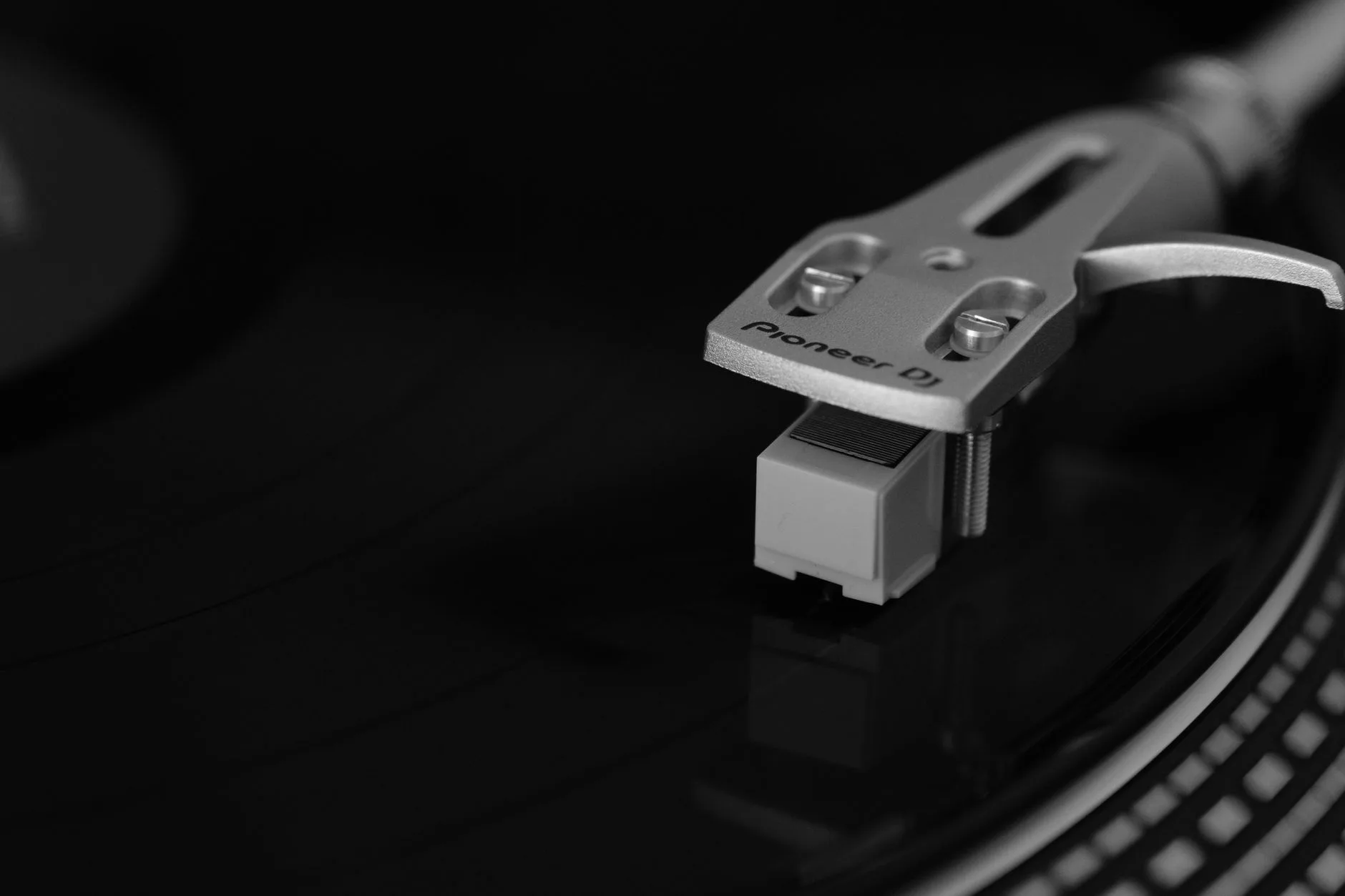
Anatomy of a Turntable
A modern hi-fi turntable is designed for optimal audio quality, upgradability, and integration with other audio equipment. Here’s what you’ll typically find:
Core Components
- Platter: The spinning surface where the record sits.
- Tonearm: The pivoting arm that holds the cartridge and stylus. Adjusting this is important for sound (see Fluance tracking force and anti-skate guidance).
- Cartridge & Stylus: The cartridge holds the needle (stylus) that tracks the record’s grooves.
- Motor & Drive System: Most UK turntables use either belt-drive (common for home listening) or direct-drive (popular with DJs).
- Speed Selector: Allows switching between 33⅓, 45, and sometimes 78 RPM.
Extra Features
- Anti-skate and tracking force adjustment: Fine-tune the way the stylus tracks the groove.
- Removable headshell: Makes cartridge upgrades easier.
What You Don’t Get
- No speakers
- No built-in amplifier (except some models with phono preamps)
- No radio or streaming features
Many new vinyl fans are surprised to learn that a turntable alone won’t play music without extra components. This modular approach allows for better upgrades, but it requires more setup and some technical understanding.
Anatomy of a Record Player
A record player is built for convenience and simplicity. It’s an all-inclusive system, usually aimed at beginners or those with limited space.
Typical Features
- Integrated speakers: Sound comes straight from the unit—no extra gear needed.
- Built-in amplifier: Drives the speakers without needing anything external.
- Turntable mechanism: Similar to stand-alone turntables, but often with less sophisticated parts.
- Auto-stop and auto-return: The tonearm may lift and return automatically at the end of a side.
- Extra functions: Some models add Bluetooth, USB ripping, or FM radio.
Design and Build
- Usually compact, sometimes in a retro suitcase style.
- Prioritises convenience over outright sound quality.
- Limited ability to upgrade parts.
Suitcase-style record players are popular gifts and great for casual listening or small flats, but their sound quality and durability can disappoint those who want to get deeper into vinyl.
Sound Quality Comparison
The most important difference between turntables and record players is sound quality.
Why Turntables Usually Sound Better
- Separate Components: Specialist amplifiers and speakers produce clearer, richer audio.
- Better Build Quality: Hi-fi turntables typically use higher-grade materials and components.
- Cartridge and Stylus Upgrades: Swapping out cartridges can make a noticeable improvement (many listeners hear the difference immediately after upgrading).
- Less Vibration: Heavier platters and isolation feet reduce unwanted noise.
Record Player Trade-Offs
- Small Speakers: Built-in speakers are usually small and can sound tinny.
- Electrical Interference: All-in-one design sometimes introduces hum or buzz.
- Basic Cartridges: Many models use ceramic cartridges, which can wear out records faster and sound less detailed.
If you’re curious about affordable options, our Best Turntables Under £300: Vinyl Lover’s Guide highlights models that outperform most record players without breaking the bank.
Setup and Ease of Use
How much effort do you want to put into setup? This is where the record player vs turntable difference is most obvious.
Setting Up a Record Player
- Plug it in.
- Place a record.
- Play.
That’s it—ideal for anyone who wants to avoid cables and settings.
Setting Up a Turntable
This process takes more time and planning, but it’s not as daunting as it seems, especially with step-by-step guides like our How to Set Up a Turntable: Beginner’s Guide.
Typical steps include:
- Assemble the turntable (fit the platter, counterweight, etc.).
- Connect to a phono preamp (unless your turntable has one built-in—see Phono Preamps Explained: Do You Need One?).
- Connect to an amplifier or powered speakers.
- Set tracking force and anti-skate (using a stylus gauge can help).
- Position speakers for best sound.
Skipping steps or guessing at setup can lead to poor sound or even damage your records. For more technical details on connecting speakers, see the Fluance turntable speaker connection guide.
Upgrade Paths and Customisation
A major advantage of turntables is their upgradability. Record players, by contrast, offer very limited options.
Turntable Upgrades
- Cartridge and stylus: One of the easiest and most rewarding upgrades.
- Phono preamp: Swapping in a better preamp can open up your system’s sound.
- Platter mats and isolation feet: Reduce unwanted vibrations.
- Cables: Upgrading interconnects can tidy up your setup.
Record Player Limitations
- Usually, you can’t upgrade the cartridge or speakers.
- Internal amplifiers and speakers are fixed.
- Some models allow you to output to external speakers, but you’ll still be limited by the internal preamp.
If you think you’ll want to improve your system over time, a turntable-based setup is the way to go.
Cost and Value
Price plays a big role in deciding between a record player and a turntable system.
Record Player Costs
- Basic models start around £40-£80.
- Mid-range units run £100-£200, sometimes with extra features like Bluetooth.
Turntable System Costs
- Entry-level turntables start from around £100-£150. You’ll need to budget for:
- A phono preamp (if not built-in)
- An amplifier or powered speakers
- Cables and accessories
- Realistically, a good starter system costs £250-£400.
Spending a bit more upfront on separates pays off in years of better sound and easier upgrades. For those on a budget, our Best Turntables for Beginners 2026 UK covers the most reliable and best-value options.
Buying Advice for UK Vinyl Enthusiasts
Choosing between a record player and a turntable depends on your priorities, space, and long-term plans. Here’s a practical guide to help you decide:
Assess Your Listening Goals
- Casual or background listening: A record player is ideal for kitchen, bedroom, or student flat use. The convenience of built-in speakers and minimal setup makes it appealing for those who just want to enjoy records occasionally.
- Focused, immersive listening: If you want to sit down and really hear the music, a turntable with separates is the way forward. The leap in clarity and depth is noticeable, even with entry-level hi-fi gear.
Consider Space and Aesthetics
- Limited space: Record players are compact and tidy, but remember to leave room for vinyl storage. For inspiration, see Vinyl Storage Ideas: Shelves, Crates & Cabinets.
- Room for a system: A turntable setup takes up more space, but you can arrange components for an attractive, hi-fi look.
Think Long-Term
- Upgrade potential: Turntables offer clear upgrade paths—cartridges, preamps, speakers, and even the turntable itself.
- One-and-done: Record players are fixed systems. If you want to tinker or improve, you’ll likely need to replace the whole unit.
Factor in Your Budget
- Initial spend: Record players are cheaper upfront, but may need replacing sooner.
- Value over time: A turntable system can last decades with occasional upgrades.
UK-Specific Considerations
- Mains voltage: Ensure your gear is UK-compatible (230V, 50Hz).
- Support and warranty: Buy from reputable UK retailers for easier returns and support.
- Second-hand market: The UK has a vibrant used hi-fi market—great for finding bargains on quality separates.

Setup Chain Explained
A turntable-based system is modular, and understanding the signal path is key to getting the best sound. Here’s how the setup chain works:
- Turntable: Spins the record and generates a tiny electrical signal via the cartridge.
- Phono Stage (Phono Preamp): Boosts the weak signal from the cartridge to a level suitable for amplifiers or powered speakers. Some turntables have a phono stage built in; others require a separate unit. For more, see Phono Preamps Explained: Do You Need One?.
- Amplifier: Takes the signal from the phono preamp and powers passive speakers. Some modern powered speakers have a built-in amplifier, allowing you to skip a separate amp.
- Speakers: Convert the amplified signal into sound.
Example Setup Chains
- With built-in phono preamp: Turntable → Powered speakers
- Without built-in phono preamp: Turntable → Phono preamp → Amplifier → Passive speakers
Cables and Accessories
- RCA cables: Standard for connecting components.
- Ground wire: Prevents hum—essential for many turntables.
- Speaker wire: Needed for passive speakers.
Setting up each link in the chain correctly ensures you get the best sound and avoid issues like buzzing or distortion.
Phono Stage and Preamps
The phono stage is one of the most misunderstood parts of a vinyl setup, but it’s crucial for sound quality.
What Is a Phono Stage?
- A phono stage (or phono preamp) amplifies the very low-level signal from your turntable’s cartridge and applies RIAA equalisation to make it sound correct.
- Without a phono stage, your music will be extremely quiet and lack proper bass and treble.
Types of Phono Stages
- Built-in: Some turntables and amplifiers include a phono stage. Look for a “PHONO” input or a switch on the back.
- External: Standalone phono preamps can be added to any system. These range from £30 to several hundred pounds and can make a noticeable difference in clarity and noise levels.
Matching Your Gear
- Moving Magnet (MM) vs. Moving Coil (MC): Most entry-level turntables use MM cartridges, which work with most phono stages. MC cartridges require specialised preamps.
- Compatibility: Always check that your preamp matches your cartridge type.
Why Upgrade?
- Upgrading from a basic built-in phono stage to a dedicated external unit can improve dynamics, reduce background noise, and bring out more detail in your records.
For a full rundown, see Phono Preamps Explained: Do You Need One?.
Beginner Mistakes to Avoid
Many new vinyl fans make the same errors when setting up or using their gear. Here’s how to avoid the most common pitfalls:
- Skipping Proper Setup: Setup mistakes can cause poor sound or record wear. Check cartridge alignment with a protractor or the manufacturer instructions, set tracking force with a stylus gauge or the recommended counterweight setting, and do not ignore anti-skate.
- Ignoring the Phono Stage: Plugging a turntable into a standard “AUX” or “LINE” input without a phono preamp results in weak, thin sound. Always ensure you have the right input or a separate phono stage.
- Placing Gear on Unstable Surfaces: Vibrations and wobbly surfaces can cause skipping and muddiness. Place your turntable on a solid, level surface away from speakers.
- Using Poor-Quality Record Players: Many cheap all-in-ones use heavy ceramic cartridges, which can damage records and sound harsh. If you’re serious about your collection, invest in a turntable with a proper magnetic cartridge.
- Neglecting Cleaning and Maintenance: Dust and static can degrade sound and wear out your stylus. Clean records regularly and use a stylus brush.
- Not Planning for Storage: Stacking records or leaving them out can warp or scratch them. Explore Vinyl Storage Ideas: Shelves, Crates & Cabinets for proper storage solutions.
- Overlooking Upgrade Paths: Buying a record player with no upgrade options can be frustrating if you catch the hi-fi bug. Consider your long-term interests before buying.
How to Transition from Record Player to Turntable
If you started with a record player and want to step up your vinyl setup, moving to a turntable-based system is easier than it first looks. The trick is to build the chain in the right order rather than buying random boxes and hoping they work together.
- Research and choose a turntable: Pick a model that fits your budget, space, and upgrade plans. For recommendations, see Best Turntables for Beginners 2026 UK.
- Check for a built-in phono preamp: If your turntable lacks one, you’ll need a separate preamp. Our Phono Preamps Explained: Do You Need One? article can help.
- Select speakers and an amplifier: Powered speakers keep the setup simple, while a separate amp and passive speakers give you more control and upgrade potential.
- Buy cables and accessories: Don’t forget RCA cables, a stylus brush, and a solid, level surface for the turntable.
- Set up and calibrate: Follow the manufacturer’s guide or check our How to Set Up a Turntable: Beginner’s Guide. Take your time with cartridge alignment and tracking force.
Transitioning in stages is fine. Start with a turntable and powered speakers, then upgrade your preamp or speakers later. The improvement in sound and enjoyment is often immediate.
Frequently Asked Questions
What is the main difference between a record player and a turntable?
A record player is an all-in-one device with a built-in amplifier and speakers, while a turntable is just the component that spins records and needs to be connected to an external sound system.
Can I connect a turntable directly to speakers?
Some turntables have a built-in phono preamp and can connect to powered speakers, but most require either an external phono preamp or an amplifier to work with regular speakers.
Does a record player damage records more than a turntable?
Entry-level record players often use heavier tracking force and ceramic cartridges, which can wear out records faster compared to a properly set-up turntable with a quality stylus.
Which is better for beginners: record player or turntable?
For those who want simplicity and plug-and-play use, a record player is best. Those interested in sound quality, future upgrades, and learning about hi-fi will benefit from starting with a turntable.
Are all-in-one record players worth it?
They’re a good option for casual listening or as a gift, but they don’t offer upgrade paths or the sound quality of a separate turntable system.
Can I upgrade my record player to improve sound quality?
Most record players have limited upgrade options. For real improvements, switching to a turntable-based setup is recommended.