Your record collection has outgrown the Ikea Kallax it started in. LPs are double-stacked, some are leaning at angles that would make a record shop owner wince, and the overflow pile on the floor next to the turntable is getting dangerously close to the cat’s favourite sleeping spot. You need proper vinyl storage — something that keeps your records upright, accessible, and looking good in a room that’s probably also your living room, bedroom, or home office.
In This Article
- What Good Vinyl Storage Looks Like
- Cube Shelving Units
- Dedicated Record Cabinets
- Record Crates and Boxes
- Wall-Mounted Vinyl Shelves
- Turntable Stands With Record Storage
- DIY Vinyl Storage Ideas
- How Many Records Does Each Option Hold
- Storage Mistakes That Damage Vinyl
- Frequently Asked Questions
What Good Vinyl Storage Looks Like
Before choosing furniture, understand what your records need. A standard 12-inch LP is 31.5cm square and about 3mm thick in its sleeve. A collection of 100 records takes up roughly 30cm of linear shelf space. That doesn’t sound like much until you own 500 and suddenly need 1.5 metres of dedicated shelving.
The Non-Negotiables
- Upright storage — records must stand vertically, like books. Stacking them horizontally puts weight on the bottom records, causing warps over months. This is the single most important rule.
- Snug but not tight — records should stand upright without leaning but not be packed so tightly you need to wrench them out. Too tight damages sleeves; too loose lets records lean and warp.
- Away from heat and sunlight — near a radiator or in direct sun is the worst spot in any room. If you need a refresher on the conditions that matter, our guide to storing vinyl records properly covers temperature, humidity, and sleeve care in detail.
- Accessible — the whole point of owning vinyl is playing it. Storage that makes you dig through a pile to find an album discourages you from actually listening.
Cube Shelving Units
Why Everyone Starts With Kallax
The Ikea Kallax (and its predecessor, the Expedit) became the default vinyl storage solution for a reason: each cube is almost exactly the right size for 12-inch LPs. The internal dimensions of a Kallax cube are 33.5cm x 33.5cm x 39cm — a perfect fit for records standing upright with a couple of centimetres to spare.
A 4×2 Kallax (about £55) holds roughly 400 records across eight cubes. A 5×5 unit (about £85) holds over 1,000 and doubles as a room divider. They’re flat-pack, available in multiple colours, and you can find them in virtually every record collector’s home in the UK.
Alternatives to Kallax
- Argos Home Squares — about £30-50 for various configurations. Slightly cheaper than Kallax, similar dimensions, decent build quality for the price.
- Habitat Kilo — about £150-200 for a metal shelving unit. More industrial aesthetic, very sturdy, and the open-back design allows better air circulation around your records.
- Komos/IKEA Eket — wall-mountable cube units that can be configured in custom arrangements. More expensive per cube but offer a modular, design-forward look.
The Kallax Problem
Kallax are adequate but they’re not perfect. The shelves sag over time when loaded with records (vinyl is heavy — 100 records weigh about 15kg). The chipboard construction doesn’t handle moisture well. And after a decade of every record collector buying the same unit, they’ve become something of a cliché. If your living room aesthetic matters to you, there are better-looking options below.
Dedicated Record Cabinets
For collectors who want purpose-built furniture, dedicated record storage cabinets offer features that generic shelving can’t.
What Makes Them Different
- Reinforced shelves rated for the weight of vinyl (generic shelves often aren’t)
- Dividers within shelves to keep records upright and organised by genre or alphabet
- Closed cabinets that protect records from dust and light
- Integrated turntable platforms on top, with cable management
UK-Available Options
- Symbol Audio — handmade in the US, available through UK retailers. The Aero series (from about £1,500) is gorgeous walnut furniture with LP-specific slot dividers. This is “buy it for life” territory.
- Wrensilva — premium hi-fi consoles with built-in record storage, turntable, amplifier, and speakers. Prices start at about £3,000. For someone who wants a single piece of furniture that does everything.
- Etsy/independent makers — search “record cabinet UK” on Etsy for mid-century modern, industrial, and Scandinavian designs from British furniture makers. Expect £300-800 for a handmade piece. Quality and lead times vary — check reviews carefully.
The Mid-Range Sweet Spot
If you want something better than Kallax but aren’t ready for a £1,500 cabinet, look at sideboards with adjustable internal shelves. Brands like MADE.com, Habitat, and John Lewis sell sideboards in the 120-160cm width range that accommodate records when shelves are configured at the right height. You’ll need to check internal shelf spacing — you need at least 33cm height per shelf for LPs standing upright.
Record Crates and Boxes
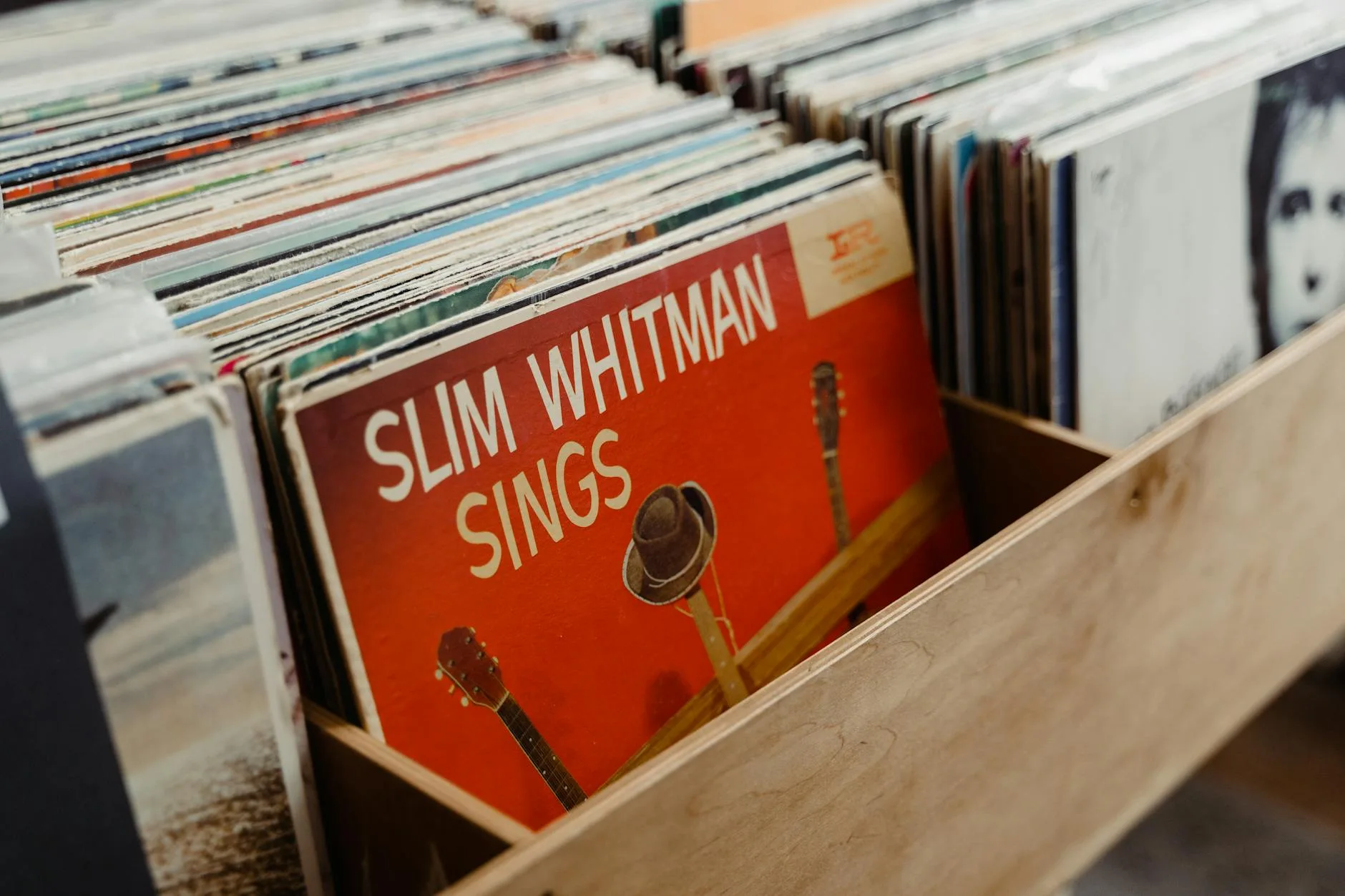
Crates are the most portable and flexible storage option — you can rearrange them, stack them, take them to a friend’s house, or bring a selection to a listening party.
Wooden Crates
The classic. A wooden record crate holds 50-80 LPs depending on size and construction. You can buy purpose-built LP crates from:
- Crosley — about £25-35 per crate. Plywood construction, branded, widely available from HMV, Amazon UK, and John Lewis.
- Capcases (UK brand) — about £30-40 per crate. Birch plywood, sturdier than Crosley, available direct from their website.
- Vintage/reclaimed crates — wine crates, fruit boxes, and old record shop crates found at antique markets. Sizes vary but most accommodate LPs. About £5-20 each. Check the internal width before buying — some vintage crates are too narrow for sleeved records.
Plastic Storage Boxes
Less photogenic but highly practical. Really Useful Boxes (a UK brand) make a 64-litre box that holds about 80 LPs and has a clip-lock lid. About £12 each from Ryman, Argos, and Staples. These are ideal for bulk storage of records you don’t access frequently — archive your less-played albums in boxes and keep the favourites on display shelving.
The Milk Crate Myth
Traditional plastic milk crates are almost the perfect size for records — almost. They’re slightly too narrow for some gatefold sleeves and the rigid plastic can scuff sleeve edges. If you use them, line the inside edges with felt strips. And buy your own — taking crates from outside supermarkets is technically theft.
Wall-Mounted Vinyl Shelves
Wall-mounted shelves free up floor space and turn your record collection into wall art. They’re particularly effective in small rooms where floor-standing furniture isn’t practical.
Display Shelves (Front-Facing)
These hold records face-out like in a record shop — you see the album artwork rather than the spines. Beautiful for displaying your favourites, but space-inefficient for large collections. A 60cm shelf displays about 10-12 records face-out. Use these for your “currently playing” rotation and store the bulk of your collection elsewhere. For a related angle, see our Best Headphone Stands & Storage Solutions guide.
- Record ledges — narrow shelf with a front lip. About £15-25 for a single ledge from Amazon UK or Etsy. Mount several at different heights for a gallery wall effect.
- Ikea Mosslanda — the classic picture ledge, about £10 for 55cm. Just wide enough for an LP in its sleeve. Multiple ledges create a striking display wall for minimal cost.
Storage Shelves (Spine-Out)
Wall-mounted shelves deep enough to hold records spine-out like a bookshelf. These offer display and capacity but need to be properly anchored to the wall — 50 records weigh about 7.5kg, and the shelf brackets need to handle that plus the shelf itself.
Use heavy-duty brackets rated for the weight, and anchor into wall studs or use appropriate wall plugs for plasterboard. A shelf that pulls out of the wall onto your turntable is the most expensive accident in any vinyl collector’s life.
Turntable Stands With Record Storage
All-in-One Solutions
A turntable stand with built-in record storage keeps everything together — turntable on top, records below, amplifier on a middle shelf. This is the tidiest option for small rooms.
- Crosley Manchester — about £160. Mid-century modern design with turntable platform, record storage compartment (holds about 60 LPs), and open shelf for an amplifier. Available in walnut, oak, and grey finishes.
- Argos Home Vinyl Record Player Stand — about £80. Basic but functional. Open shelf on top for the turntable, two cubes below for records.
- Custom/Etsy — search “turntable stand with storage UK” for handmade options from £150-500 depending on materials and build quality.
Vibration Isolation
Whatever stand you use, keep vibrations from reaching the turntable. Floor-standing speakers and subwoofers transmit vibration through the floor into the stand and up to the turntable, causing the stylus to skip or produce a low rumble. Isolation feet (about £15-25 for a set of four) or a dedicated isolation platform (about £30-50) placed under the turntable solve this. Avoid placing the turntable directly above your speakers. Our Best Turntables Under £300: Vinyl Lover’s Guide guide is useful alongside this.

DIY Vinyl Storage Ideas
Hairpin Leg Shelving
Buy a length of scaffold board (about £10-15 from a timber merchant or B&Q), sand it, finish it with Danish oil or wax, and attach hairpin legs (about £20-30 for a set of four from Amazon UK or Etsy). The result is a simple, sturdy record storage unit that looks like it came from a design shop. A 120cm board with 35cm-high legs creates a low unit that holds 150+ records.
Stacked Crates
Four wooden crates arranged in a 2×2 grid, secured together with wood glue or screws, create a Kallax-like unit for about £100-120 total. Paint or stain them to match your room. The advantage over Kallax is that solid wood doesn’t sag under load the way chipboard does.
Repurposed Furniture
Old bookshelves, filing cabinets, and sideboards from charity shops make excellent record storage with minimal modification. Check the shelf depth (need at least 33cm for LPs standing upright) and reinforce shelves if the furniture wasn’t designed for heavy loads. A coat of paint transforms a tired charity shop sideboard into something that looks intentional. We cover a similar decision in How to Buy Vinyl Records: New, Second-Hand & Online.
How Many Records Does Each Option Hold
For planning purposes, here are capacity estimates based on records in standard sleeves (about 3mm per record):
- 1 Kallax cube — ~50 records
- 4×2 Kallax — ~400 records
- 1 wooden crate — ~60-80 records
- 60cm wall shelf (spine-out) — ~50 records
- 60cm display ledge (face-out) — ~10-12 records
- Standard sideboard (120cm) — ~200-300 records
- Dedicated record cabinet — ~300-500+ depending on size
If your collection is under 200, a single 4×2 cube unit or a couple of crates handles it. Over 500 and you’re into dedicated furniture or multiple units. Over 1,000 and you need to accept that records are now a significant piece of furniture in your home.
Storage Mistakes That Damage Vinyl
Horizontal Stacking
The weight of stacked records compresses the bottom ones. Over months, this causes ring wear (visible circles on the sleeve from the record inside), dish warping, and in extreme cases, permanent groove deformation. Always store upright.
Overpacking Shelves
Records crammed too tightly scratch each other when you pull one out. The friction also damages sleeve artwork. Leave enough space to slide records in and out with one hand.
Storing Near Heat Sources
Radiators, south-facing windows, and equipment that generates heat (amplifiers, gaming PCs) all create localised warm spots. PVC warps at lower temperatures than most people realise — a consistent 35-40°C is enough to cause problems over time. You may also want to read Best Earbuds for Small Ears 2026.
Floor-Level Storage in Damp Rooms
Basements, garages, and ground-floor rooms with poor damp-proofing put your records at risk of moisture damage. Mould grows on paper sleeves in high-humidity conditions and can transfer to the vinyl. Store records at least 15-20cm above floor level if the room is prone to dampness.
Not Using Inner Sleeves
The paper inner sleeves that come with new records are fine for short-term use but shed fibres over time. Upgrade to anti-static poly-lined inner sleeves (about £10-15 for 50 from specialist record shops or Amazon UK). According to Which?, proper storage is the most cost-effective way to protect consumer electronics and media from premature degradation to protect the vinyl surface and reduce static buildup.
Frequently Asked Questions
What’s the best budget vinyl storage option? The Ikea Kallax 4×2 (about £55) remains the best value for most collections. Each cube holds approximately 50 records, giving you 400-record capacity across eight cubes. For something cheaper, wooden crates at £25-35 each are flexible and portable.
Should I store records vertically or horizontally? Always vertically, like books on a shelf. Horizontal stacking puts weight on the bottom records, causing warping, ring wear on sleeves, and potential groove damage. This is the single most important storage rule for vinyl.
How do I stop Kallax shelves sagging? Add a centre support underneath the shelf — a small wooden block or L-bracket positioned midway along the span. Alternatively, don’t fill every cube to maximum capacity. Distributing weight across more cubes reduces the load per shelf.
Can I store vinyl records in the loft or garage? Not recommended. Lofts reach extreme temperatures in summer (40°C+) that warp vinyl. Garages have temperature swings and humidity issues. Store records in a temperature-stable, dry room — ideally 15-21°C with moderate humidity. A spare bedroom or living room shelf is far safer.
How many records can I fit per linear metre of shelf? Approximately 300-330 records per metre when stored upright in standard sleeves. This assumes around 3mm per record including sleeve. Gatefold sleeves and box sets are thicker, so a collection with many gatefolds will fit slightly fewer per metre.