Getting the best sound from your audio system is not just about the equipment you choose—placement is just as crucial. A well-considered speaker placement guide can transform even modest speakers into an immersive listening experience. UK homes pose their own unique challenges, from small lounges to awkward alcoves, but with a few practical steps, you can unlock your system’s full potential.
In This Article
- Start With the Listening Position
- Speaker Placement Guide: The Core Rules
- Distance From Walls and Corners
- Toe-In, Height and Stands
- Small Rooms, Desks and Awkward UK Layouts
- Stereo Imaging and Bass Checks
- Home Cinema Speaker Positioning
- Mistakes That Ruin Otherwise Good Speakers
- Frequently Asked Questions
Start With the Listening Position
Before shifting speakers around, identify your main listening spot. This is the foundation for all other adjustments. Most UK living rooms have a clear ‘sweet spot’—often a sofa placed against a wall or centrally in the room. It’s tempting to focus solely on where the speakers look tidy, but prioritising your listening position ensures clarity and balance.
Finding the Sweet Spot
- Sit where you naturally listen most—typically, this is the centre seat on your sofa.
- Ensure your ears are roughly at the same height as the tweeters when seated. This small detail can make a huge difference to vocal clarity and stereo imaging.
- If your seating is against a wall, consider pulling the sofa forward by 20-30cm. This helps reduce bass boom from wall reflections—a common issue in UK lounges with solid brick walls.
Planning Around Furniture
Many British homes have fireplaces, radiators, or bay windows that complicate perfect symmetry. Even a small shift in chair or sofa position can improve the listening experience. Don’t be afraid to temporarily move a coffee table or plant to experiment with sound.
If you’re setting up a system for vinyl playback, make sure you’ve considered how to set up a turntable and keep your equipment away from direct speaker vibrations.
Speaker Placement Guide: The Core Rules
A few core principles can guide any setup, regardless of room size or speaker type. By following these, you’ll avoid the most common pitfalls in UK homes.
The Equilateral Triangle
The classic starting point is to form an equilateral triangle between your main seat and the two speakers. This means:
- Measure the distance between your ears (when seated) and each speaker—these should be equal.
- The distance between the two speakers should match the distance from each speaker to your listening position.
For example, if your sofa is 2 metres from where the speakers will stand, place the speakers 2 metres apart. This geometry helps with stereo imaging and clarity.
Symmetry Matters
A balanced setup is key for proper stereo effect. Avoid placing one speaker near a wall and the other out in open space. If the room isn’t symmetrical, try to even out distances from side walls as much as possible. The Q Acoustics speaker placement advice offers practical diagrams for typical UK lounge layouts.
Angle Towards the Listener
Most speakers benefit from a slight ‘toe-in’—angling them so they point just past your ears. This focuses the soundstage and can help compensate for less-than-ideal room shapes. Try starting with speakers facing directly forward, then gradually angle them inwards until vocals sound centred.
Wiring and Polarity
Incorrect wiring undoes even the best positioning. Always double-check polarity—red to red, black to black—and keep cable runs equal where possible. If you’re unsure, read How to Wire Speakers: Series vs Parallel Explained for guidance.
Distance From Walls and Corners
Speaker distance from walls and corners affects bass, clarity, and overall balance. Too close, and you risk muddy sound; too far, and you lose low-end warmth.
General Guidance
- For bookshelf speakers: Start with at least 30cm from the rear wall.
- For floorstanders: 40-60cm is often ideal, but check your manufacturer’s advice.
- Avoid placing speakers directly in corners, which tends to exaggerate bass and cause boomy, uncontrolled sound.
Wall Reflections and Bass Boom
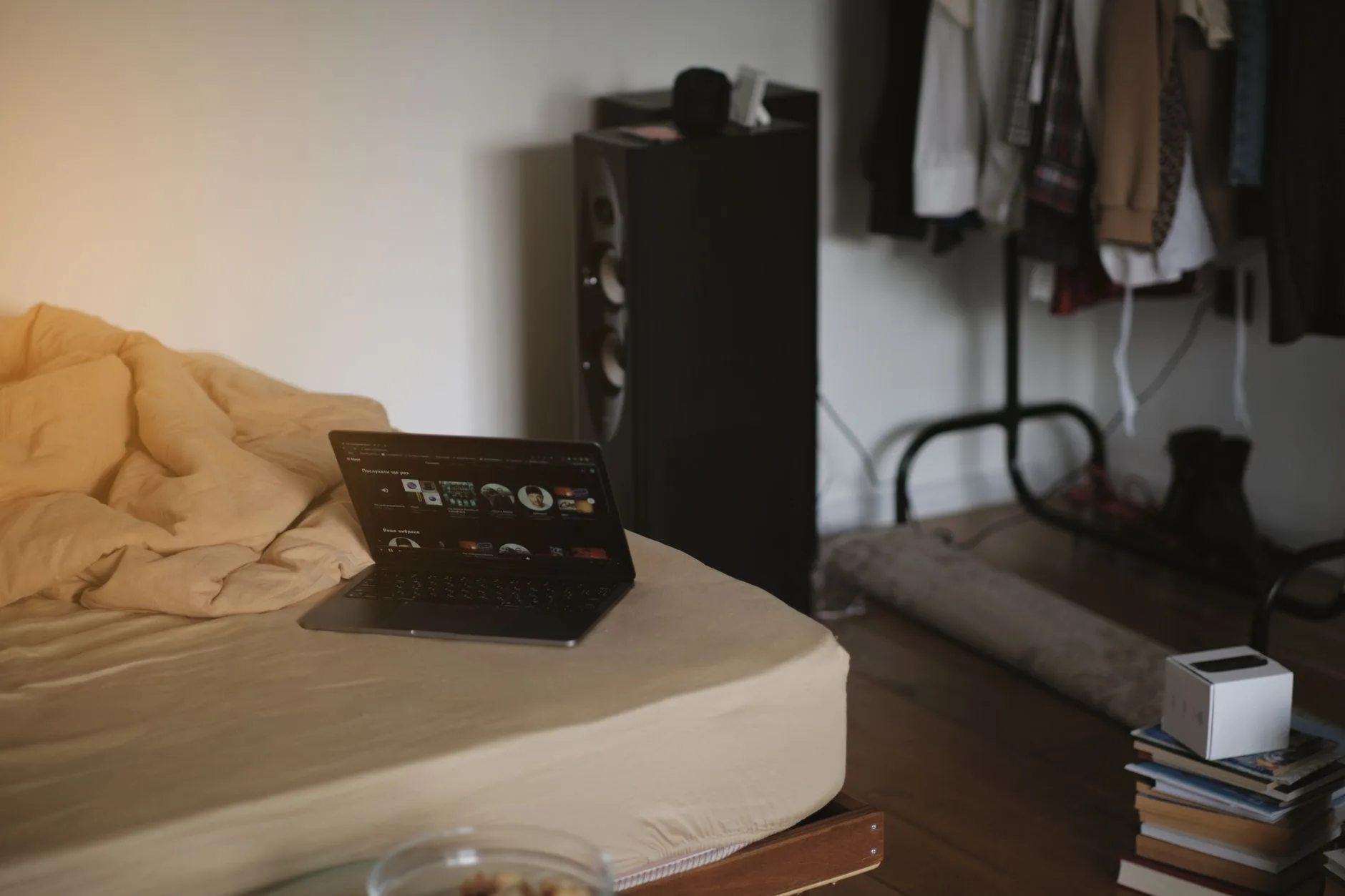
UK homes with solid brick or plasterboard walls often reflect sound differently than timber-framed properties. In Victorian terraces, placing speakers too close to a chimney breast or alcove can create a bass ‘hump’. If you must place a speaker near a wall, consider using foam bungs in the rear ports (if supplied), or choose front-ported or sealed speakers which cope better with restricted placement.
Dealing With Furniture and Carpets
Heavy curtains, thick carpets, and bookcases can help absorb unwanted reflections. If your room is sparsely furnished, you might notice a harsh edge to the sound—try adding a rug or soft furnishings.
For small rooms or bedrooms, the Best Speakers for Small Rooms article has product suggestions that work well even when wall space is limited.
Toe-In, Height and Stands
Once you’ve sorted basic positioning, fine-tuning angle and height can yield big improvements. The difference between ‘good’ and ‘great’ sound is a matter of degrees—literally.
Toe-In: How Much Is Enough?
- Start with speakers facing straight ahead.
- Gradually angle them inwards (toe-in) so the tweeters aim just past your ears when seated.
- Listen for the point where vocals are centred and instruments are well separated.
- Too much toe-in can narrow the soundstage; too little may cause a ‘hole’ in the middle.
Some speakers, especially those with wide dispersion tweeters, sound best with minimal toe-in. Brands like Bowers & Wilkins or Q Acoustics often suggest a slight angle in their manuals—check your model for specifics.
Optimal Height
The tweeter should be roughly at ear level when you’re seated. If your stands are too short or tall, the sound can lose focus. Standard UK stands range from 60-70cm for bookshelf models; adjust as needed for your furniture.
The Importance of Stands
Never underestimate the difference proper stands make. Wobbly or lightweight stands can blur bass and reduce clarity. Sand-filled metal stands are ideal for stability. If you’re placing speakers on a shelf, use isolation pads to reduce vibrations.
Floor Spikes and Pads
- Spikes can help on carpeted floors, anchoring the speaker for tighter bass.
- On wooden or laminate floors, use rubber pads or coins under spikes to avoid damage.
Small Rooms, Desks and Awkward UK Layouts
Not everyone has a dedicated listening room. UK homes often make do with box rooms, converted lofts, or shared living spaces.
Tactics for Small Spaces
- Opt for smaller speakers designed for near-wall placement, such as those recommended in Best Speakers for Small Rooms.
- Use wall brackets or shelves if floor space is at a premium.
- Try to maintain the equilateral triangle principle, even if the distances are reduced.
Desk and Shelf Setups
If you’re using speakers on a desk or bookshelf:
- Place speakers at least 15cm from the rear wall.
- Use foam isolation pads to prevent sound from ‘coupling’ with the furniture.
- Angle speakers towards your ears and keep them at head height when seated.
Dealing With Obstacles
Bay windows, radiators, and alcoves are common in UK homes. If a radiator is in the way, try to keep speakers out of direct airflow to avoid heat damage. For bay windows, angle speakers so reflections from the glass don’t muddy the sound.
Example: The Box Room Dilemma
In a small third bedroom, choosing sealed box speakers and mounting them on wall brackets can avoid bass boom and still provide a wide soundstage.
Stereo Imaging and Bass Checks
Fine-tuning placement is as much about listening as measuring. Stereo imaging—the ability to place instruments and vocals left to right—is where your efforts pay off.
Stereo Imaging Tests
- Play a well-recorded track with a prominent central vocal (e.g., Adele’s “Someone Like You”).
- The voice should appear dead-centre between the speakers, not ‘stuck’ to one side.
- Instruments should be easily located across the soundstage.
Bass Balance
- Listen for ‘one note’ bass (boomy and indistinct) vs. tuneful, controlled bass.
- Walk around the room; if bass vanishes or swells in certain spots, try moving speakers or your seat by 10-20cm.
Useful Tools and Tracks
- Use a tape measure and masking tape to mark distances.
- Free smartphone SPL meter apps can help balance volume between speakers.
- Reference tracks: Pink Floyd’s “Money”, Daft Punk’s “Get Lucky” for punchy bass.
For more on matching speaker size to your room, see How to Choose Speakers for Your Room Size.
Home Cinema Speaker Positioning
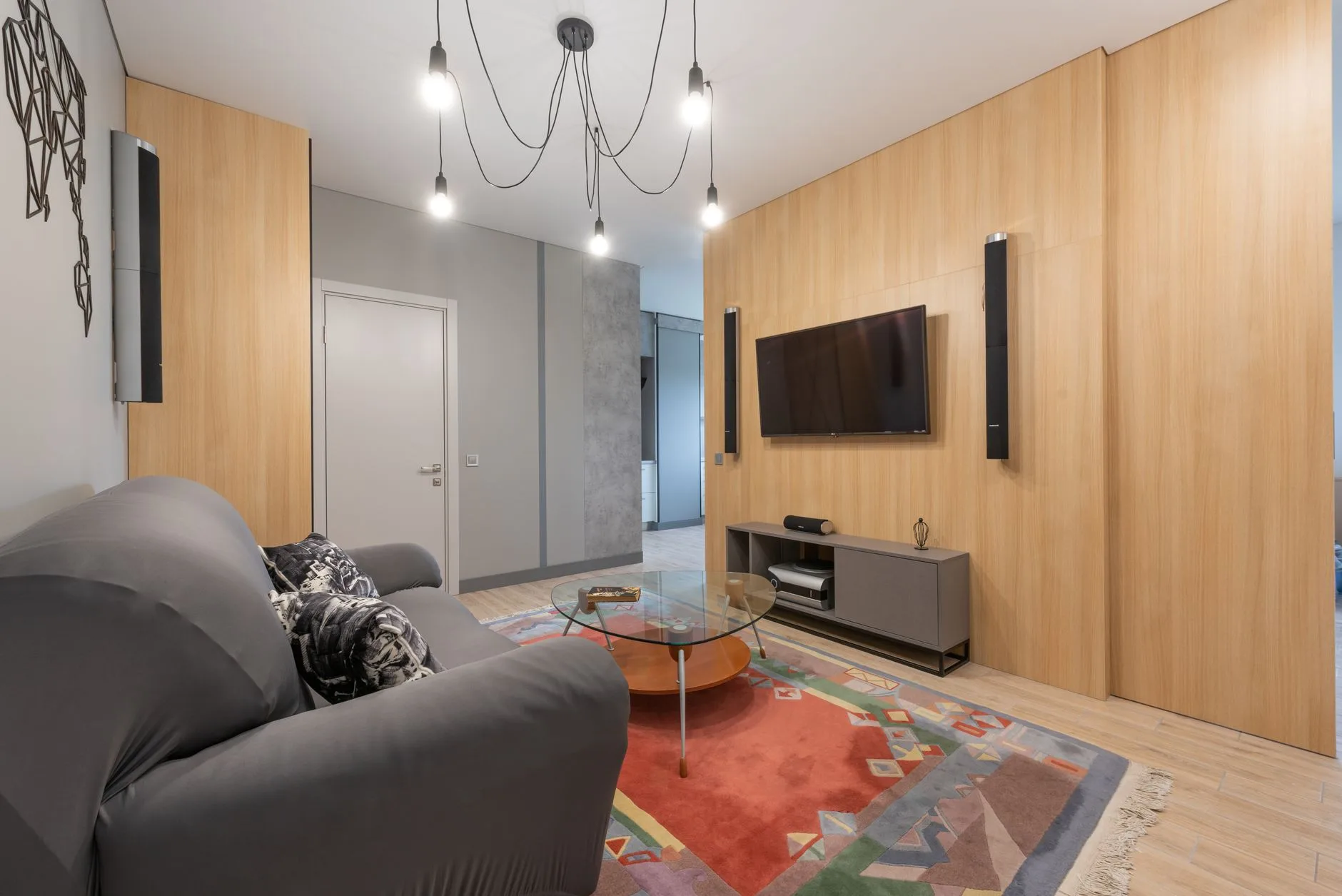
Surround sound adds extra complexity, but the basics still apply. Whether you’re using a soundbar or a full 5.1 system, careful positioning pays off.
Front Left/Right and Centre Speakers
- Place front left/right speakers at ear level, angled towards the main seat.
- The centre channel should sit directly above or below your TV, aimed at your ears.
Surround and Rear Speakers
- Place surround speakers slightly behind and to the side of your seating position, about 1.2m high.
- Avoid placing them directly against walls—if space is tight, angle them inwards.
Subwoofer Placement
- Corners amplify bass, but can cause boominess. Start with the sub near a wall, then experiment by moving it around while playing familiar bass-heavy tracks.
For diagrams and more detailed layouts, check the Dolby speaker setup guides.
Soundbar Setups
If you’re using a soundbar, try to:
- Position it centrally under the TV.
- Ensure it’s not blocked by furniture or the TV stand.
- Use any included calibration microphone for best results.
Mistakes That Ruin Otherwise Good Speakers
Even premium speakers can sound disappointing if positioned poorly. Here are common errors and how to avoid them:
- Placing speakers directly on the floor or wobbly furniture.
- Pushing speakers into corners, which exaggerates bass and reduces clarity.
- Using mismatched stands or shelves, causing uneven sound.
- Ignoring wiring polarity, which can cause ‘hollow’ or unfocused sound.
- Blocking speaker drivers with ornaments or plants.
Trade-Offs to Consider
- Pulling speakers further into the room can improve sound but may clutter living spaces.
- Wall-mounting saves space but may sacrifice some bass depth.
- Using smaller speakers keeps things tidy but may not fill larger rooms—see How to Choose Speakers for Your Room Size.
The Mistake Most Often Seen
The most common problem in UK homes is placing speakers too close to the back wall, especially in smaller rooms. A simple fix—moving them forward by just 10cm—can clear up muddiness and reveal hidden detail in your music.
t up your turntable](https://audiogearuk.co.uk/turntable-setup-guide) too, as vibrations from speakers can travel through floors and furniture, affecting playback quality.
Practical Speaker Placement Guide for UK Homes
UK rooms often force compromises: alcoves, bay windows, shared walls, suspended floors and multi-use living spaces can all limit textbook placement. Keep both speakers as symmetrical as the room allows, avoid shared walls if bass travels to neighbours, and use stands or isolation pads where furniture placement is unavoidable.
In family rooms, route cables safely and choose stands or wall brackets that cannot be knocked easily. If the speakers also serve TV sound or background music, prioritise clear vocals and balanced bass from the main seat rather than chasing a perfect studio-style triangle.
Frequently Asked Questions
How far apart should I place my stereo speakers? Aim to form an equilateral triangle between your main listening seat and the two speakers. For most UK living rooms, this means spacing them roughly 1.5–2.5 metres apart, depending on your room size and seating arrangement.
Can I put speakers on a bookshelf or in a cabinet? You can, but expect some trade-offs. Bookshelf placement can cause boomy bass and reduce clarity. Use isolation pads and avoid pushing the speakers right up against the rear wall. Open-backed shelves work better than enclosed cabinets.
What’s the best height for speakers? Ideally, the tweeter should be at ear level when you’re seated. For most people, this means stands around 60–70cm high for bookshelf speakers. Floorstanders are designed to place the tweeter at the correct height by default.
How do I avoid annoying my neighbours with bass? Keep speakers away from shared walls and floors, use isolation pads, and avoid placing subwoofers in corners. Reducing volume and using headphones in the evening also helps maintain neighbourly peace.
Do I need a phono preamp for my vinyl setup? Most turntables require a phono preamp to amplify the signal for your amplifier or powered speakers. Some turntables and amps have built-in preamps, but if yours doesn’t, see Phono Preamps Explained: Do You Need One? for help choosing.
How can I improve sound in a small or awkward room? Choose speakers designed for near-wall or close placement, use isolation pads, and experiment with moving furniture or listening position. See Best Speakers for Small Rooms for specific suggestions.