The best gift for a music lover should fit how they already listen. The soundcore P20i earbuds are our affordable pick, the Marshall Major IV is the safest mid-range present, and the Edifier R1280T speakers are the premium choice for a known home setup. Guitarists should get the Fender Mustang Micro; for shared music on a smaller budget, choose the soundcore 2 speaker.
Best gifts for music lovers at a glance
- Best affordable personal gift: soundcore P20i Earbuds.
- Best affordable shared gift: soundcore 2 Bluetooth Speaker.
- Best mid-range gift: Marshall Major IV Headphones.
- Best gift for guitarists: Fender Mustang Micro.
- Best premium home gift: Edifier R1280T Speakers.
Quick navigation
- How we chose
- Gift comparison
- Five music gifts reviewed
- Gifts by budget
- Gifts by listener type
- Avoid an expensive mistake
- Frequently asked questions
How we chose
We prioritised products that solve a recognisable listening problem: inexpensive wireless listening, sharing music away from a plug socket, long headphone battery life, quiet electric-guitar practice or a proper stereo setup at home. That produces a more useful shortlist than five near-identical pairs of headphones.
We checked the documented connection type, intended use, battery or power arrangement, dimensions and the extra equipment each product needs. Broad budget positions are more durable than exact prices because retailer pricing changes. Before ordering, confirm the selected colour, model and bundle, particularly where several versions share one product page.
Gift comparison
| Gift | Best for | Budget position | Check before buying |
|---|---|---|---|
| soundcore P20i Earbuds | Best affordable personal gift | Affordable | The recipient likes an in-ear fit |
| soundcore 2 Bluetooth Speaker | Best affordable shared gift | Affordable | They want to play music aloud |
| Marshall Major IV Headphones | Best mid-range gift | Mid-range | They prefer on-ear headphones |
| Fender Mustang Micro | Best gift for guitarists | Mid-range | Their instrument and headphones are compatible |
| Edifier R1280T Speakers | Best premium home gift | Premium | They have space and a wired source |
The two affordable choices carry the least financial risk, but they suit different habits: earbuds are personal and portable, while the speaker is meant to be heard by several people. The Marshall headphones are the broadest mid-range choice. The Fender and Edifier products are more rewarding when you know the recipient’s equipment, but poor surprise gifts when you do not.
The five best gifts for music lovers
1. soundcore P20i: best affordable personal gift

The P20i makes sense when you want a useful present without pretending a low-cost earbud can replace premium noise-cancelling headphones. It is compact, has a charging case and works with ordinary Bluetooth phones, making it suitable for commuting, exercise and casual listening. The companion app provides EQ choices and control customisation, which gives the recipient room to adjust the sound.
There is no active noise cancellation, and in-ear fit remains personal. A secure seal affects both bass and isolation, so even a well-reviewed earbud can be wrong for somebody who dislikes silicone tips. It is best for a listener who already uses this form factor, not as an attempt to convert somebody who avoids earbuds.
- Buy it if: the recipient wants inexpensive wireless earbuds for daily use.
- Skip it if: they dislike an in-ear seal or need strong noise cancellation.
- Main compromise: good everyday convenience without premium isolation or refinement.
2. soundcore 2: best affordable shared gift

The soundcore 2 is the social choice at the affordable end. Its rechargeable design and compact body suit kitchens, gardens, picnics and weekends away, while the IPX7 water-resistance rating provides useful protection from rain and splashes. A quoted 24-hour playtime gives it enough capacity for casual use without living beside a charger.
Treat that battery figure as a best-case claim because playback level and battery age affect runtime. This is also one small speaker, so it cannot create the separation of a left-and-right stereo pair. Buy it for convenience and shared listening rather than for critical listening at a desk.
- Buy it if: music often follows the recipient between rooms or outdoors.
- Skip it if: they already own a portable speaker serving the same job.
- Main compromise: portability and resilience take priority over stereo imaging.
3. Marshall Major IV: best mid-range gift
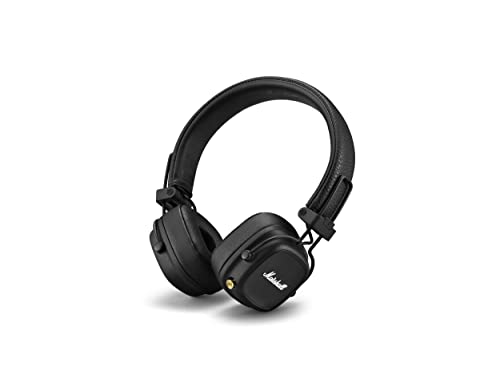
The Major IV feels more substantial as a present than tiny earbuds while remaining easy to fold into a bag. Marshall quotes more than 80 hours of wireless playback, and the physical control knob is easier to understand than a complicated set of touch gestures. The distinctive styling also makes it feel chosen rather than generic.
The important question is comfort. On-ear pads sit against the ear instead of surrounding it, which some listeners find lighter and others find tiring during long sessions. The model does not provide active noise cancellation, so do not choose it for somebody whose main aim is removing aircraft or train noise.
- Buy it if: they like on-ear headphones, bold styling and infrequent charging.
- Skip it if: they prefer over-ear comfort or need active noise cancellation.
- Main compromise: compact design can create more ear pressure over long sessions.
4. Fender Mustang Micro: best gift for guitarists

The Mustang Micro solves one specific problem very well: practising electric guitar through wired headphones without setting up a full amplifier. It connects to a conventional guitar output, offers amp and effect sounds, and can receive Bluetooth audio so the player can practise with songs. USB connectivity also supports recording to a computer.
This is a thoughtful gift only when the recipient plays a compatible electric instrument. Check the socket position because recessed outputs and unusual body shapes may obstruct the rotating plug. They also need suitable wired headphones; the Bluetooth connection receives backing audio but is not intended to send the guitar sound to Bluetooth headphones.
- Buy it if: an electric guitarist needs a quieter, quicker practice setup.
- Skip it if: they play only acoustic instruments or need sound through a room speaker.
- Main compromise: excellent for private practice, irrelevant outside that narrow use.
5. Edifier R1280T: best premium home gift
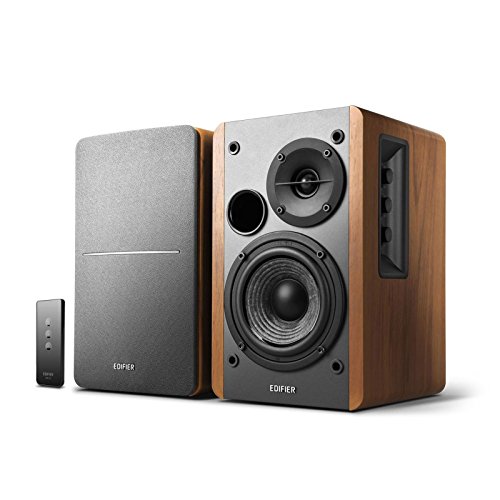
The R1280T is the premium choice because it creates a proper left-and-right stereo setup rather than another portable device. The amplifier is built into the speakers, and the pair provides two wired RCA inputs plus side-mounted volume, bass and treble controls. It suits a desk, bedroom or turntable system with the correct line-level output.
These speakers do not include Bluetooth. A turntable must have a built-in phono preamp or use a separate one; a raw phono signal cannot connect directly. They also need shelf or desk space and a mains socket. That makes the Edifiers a poor speculative gift but a strong upgrade when you have seen the intended setup.
- Buy it if: the recipient wants better fixed-position stereo sound.
- Skip it if: they expect wireless streaming or lack a suitable line-level source.
- Main compromise: better stereo presentation in exchange for space and cables.
Gifts by budget
Affordable gifts
At the affordable end, one clear job beats a novelty bundle. The P20i is the personal option and the soundcore 2 is the shared option. Both can be useful every week, but first check whether the recipient already owns something similar. Our guide to budget headphones under £50 gives more alternatives when fit matters.
Mid-range gifts
A mid-range budget buys more distinctive hardware. The Marshall is easier to give when you know the person likes on-ear headphones; the Fender is far more specific but can transform practice for the right guitarist. For other headphone shapes, read our complete headphone buying guide before choosing.
Premium gifts
Premium spending should improve a known setup. The Edifier pair is worthwhile for a desk or turntable user with the right connection and enough space. If the recipient needs wireless speakers, do not assume a more expensive wired pair will suit; start with our Bluetooth speaker guide instead.
Gifts by listener type
- Commuter or student: choose the P20i if they already like in-ear headphones.
- Kitchen, garden or holiday listener: the soundcore 2 is easy to move and share.
- Style-conscious headphone user: the Marshall is the strongest all-round present here.
- Electric guitarist: the Mustang Micro solves the real problem of quiet practice.
- Desk or turntable listener: the Edifier speakers provide stereo separation and physical tone controls.
- Noise-sensitive traveller: read our guide to how active noise cancellation works before choosing.
Where they listen is the quickest filter. Buying for the wrong location is more damaging than choosing the second-best specification: a wired speaker is useless on a commute, and earbuds do little for somebody who wants music across a kitchen.
Avoid an expensive mistake
Do not buy audio equipment from the brand name alone. Check the recipient’s connection type, available space, preferred headphone shape and existing kit. A turntable owner may still need a phono preamp before using powered speakers; our guide to phono preamps explains that signal chain.
Comfort and safe volume matter more than a dramatic specification. The NHS guidance on hearing loss advises keeping music only as loud as needed and taking breaks from headphones. Include a gift receipt whenever fit or compatibility is uncertain.
The biggest mistake is buying for an imagined version of the recipient. Choose the product that fits a habit they already have. A modest speaker used in the kitchen every day is a better gift than specialist equipment that needs a new room, cable or instrument.
Frequently asked questions
What is the best overall gift for a music lover?
The Marshall Major IV is the broadest mid-range choice when the recipient likes on-ear headphones. Choose the soundcore 2 instead when they prefer playing music aloud.
What is a good affordable gift for a music lover?
The soundcore P20i is a practical affordable gift for somebody who already likes in-ear headphones. The soundcore 2 speaker is safer when shared listening is the priority.
Are headphones a good present?
Yes, when you know the recipient’s preferred fit. In-ear, on-ear and over-ear designs feel different, so include a gift receipt if comfort is uncertain.
Can the Edifier R1280T connect directly to a turntable?
Only when the turntable provides a line-level output or a separate phono preamp sits between the deck and speakers.
Does the Fender Mustang Micro work with Bluetooth headphones?
No. Bluetooth is used to receive backing audio, while the processed guitar sound is intended for compatible wired headphones.
Should I buy a portable speaker for someone who already owns one?
Only if the new speaker fills a different role, such as being smaller, more weather-resistant or suitable for another room. Otherwise it is likely to duplicate equipment they already use.
The bottom line
Choose the Marshall Major IV for the safest mid-range present. Pick the P20i for affordable personal listening, the soundcore 2 for shared music, the Mustang Micro for a compatible electric guitarist, and the Edifier R1280T when you know the recipient wants a wired home stereo setup.