You’ve set up your home studio — laptop running a DAW, a decent audio interface, maybe some budget monitors. But every time you mix with headphones, everything sounds different when you play it back on speakers, in the car, or through earbuds. The kick drum that sounded massive on your Sony WH-1000XM5s is barely there on proper monitors. Your mix sounds muddy everywhere except in your headphones.
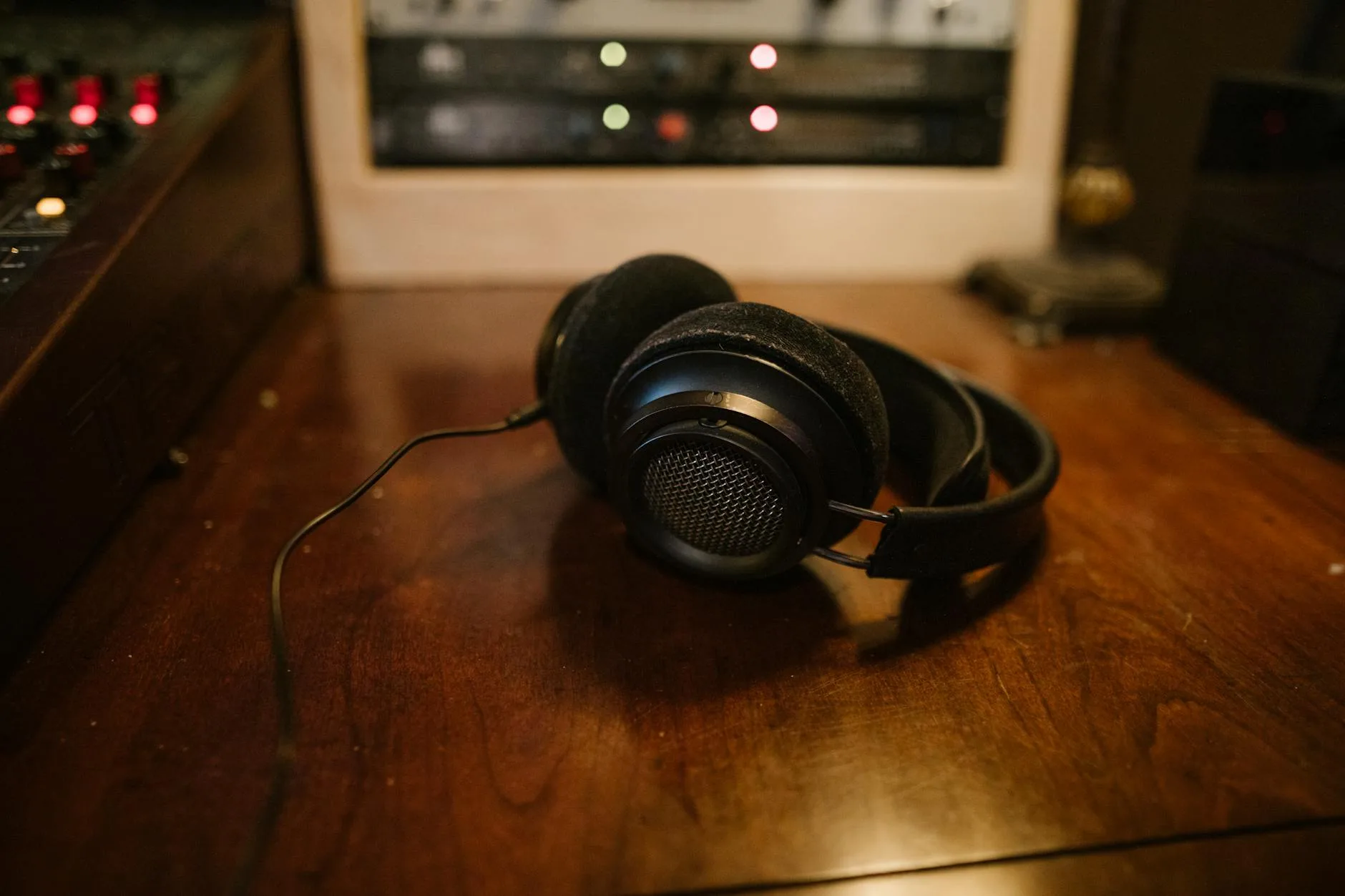
I learned this the hard way after spending three months mixing tracks on my Sony WH-1000XM5s, only to realise every mix sounded completely different on other systems. That’s because consumer headphones lie to you. They’re designed to make music sound exciting — boosted bass, sparkly highs, scooped mids. Brilliant for commuting. Terrible for production work where you need to hear what’s actually there.
In This Article
- Why Production Headphones Are Different
- Open-Back vs Closed-Back: The Fundamental Choice
- Frequency Response: What “Flat” Actually Means
- Impedance and Sensitivity: Will Your Gear Drive Them?
- Comfort Matters More Than You Think
- Best Production Headphones by Budget
- Using Headphones for Mixing: Tips and Limitations
- Headphone Amps and DACs: Do You Need One?
- Common Mistakes When Buying Studio Headphones
- Frequently Asked Questions
Why Production Headphones Are Different
The Flat Response Principle
Studio headphones aim for a “flat” or “neutral” frequency response — meaning they reproduce audio without adding or removing anything. If there’s too much bass in your mix, you hear too much bass. If the vocals are harsh at 3kHz, you hear that harshness. Consumer headphones mask these problems with their coloured sound signature.
This is why professional studios spend thousands on monitoring equipment. The goal isn’t to make music sound good — it’s to make it sound true. Decisions you make while hearing the truth translate well to every playback system.
Build Quality and Durability
Studio headphones get used for hours daily. They’re designed with replaceable parts — ear pads, headband padding, cables — because professionals wear through them. A pair of Audio-Technica ATH-M50x might last a decade because you can replace everything that wears out, while consumer headphones of similar price become landfill after the ear pads deteriorate.
The Detachable Cable
Every serious studio headphone has a detachable cable. Cables are the most common failure point, and in a studio environment where cables get rolled over by chairs, caught on equipment, and stretched between monitoring positions, replacing a £15 cable beats replacing £250 headphones.
Open-Back vs Closed-Back: The Fundamental Choice
Open-Back Headphones
The ear cups have grilles that let air (and sound) pass through. This creates a more natural, speaker-like sound with wider stereo imaging. Mixes done on open-back headphones tend to translate better to speakers because the spatial presentation is more similar.
- Pros: More natural soundstage, less ear fatigue during long sessions, better stereo imaging
- Cons: Sound leaks out (everyone nearby hears your mix), sound leaks in (useless in noisy environments), can’t use for tracking vocals or acoustic instruments
Closed-Back Headphones
Sealed ear cups that isolate you from the outside world. These are essential during recording — the microphone won’t pick up the click track or playback leaking from open-back headphones.
- Pros: Isolation from external noise, no leakage into microphones, portable and usable anywhere
- Cons: Can sound more “in your head” than speakers, ear fatigue in long sessions, less natural imaging
Which Do You Need?
If you only record with microphones: you need closed-back for tracking sessions. For mixing and editing, open-back is generally preferred. Most producers own both — closed-back for recording, open-back for mixing and critical listening. If you’re buying one pair to start, closed-back is more versatile because it works for everything, just not optimally for everything.
Frequency Response: What “Flat” Actually Means
Reading Frequency Response Graphs
Manufacturers quote frequency response as a range (e.g., “15Hz-28kHz”). This number is nearly meaningless without knowing the deviation. A headphone that covers 15Hz-28kHz but has a 10dB bass boost and 8dB treble spike is not flat — it just covers the range.
What you want is a response that stays within ±3dB of the target curve across the audible spectrum (20Hz-20kHz). Graphs from independent reviewers (check sites like Headphonesty or Rtings) show the actual measured response against a reference target.
The Harman Target Curve
No headphone is truly flat. Our ear canal shapes sound, and headphones couple differently to the ear than speakers in a room. The Harman target curve — developed through extensive listening tests — represents what most people perceive as neutral when listening on headphones. It has a slight bass boost and a mild treble lift compared to ruler-flat.
Many modern studio headphones tune to something close to the Harman curve rather than mathematically flat, which actually makes them more useful for production work. Your mixes will translate better to consumer systems because you’re monitoring through a perceptually neutral profile.
Does “Studio” Always Mean Flat?
No. Some headphones marketed as “studio” are barely flatter than consumer models — they just look the part with their black, utilitarian design. Always check independent measurements. The Beyerdynamic DT 770, for example, is hugely popular in studios but has a notable treble peak at 8-9kHz that you need to learn and account for.

Impedance and Sensitivity: Will Your Gear Drive Them?
What Impedance Means
Impedance (measured in ohms) indicates how much power the headphones need. Lower impedance (32-80Ω) works fine from laptops, phones, and basic audio interfaces. Higher impedance (250-600Ω) needs a dedicated headphone amp to reach proper volume and dynamic range. For a related angle, see our The Best Music Streaming Services in the UK 2026 guide.
- 32Ω — drives from anything (phone, laptop, interface)
- 80Ω — most audio interfaces handle this fine
- 250Ω — needs a decent headphone output or dedicated amp
- 600Ω — dedicated amp essentially mandatory
Sensitivity
Measured in dB/mW, this tells you how loud the headphones get per unit of power. Higher sensitivity = louder with less amplification. Above 95 dB/mW, most interfaces drive them adequately. Below 90 dB/mW, you’ll likely want a headphone amp.
Matching to Your Setup
If you’re running a Focusrite Scarlett, Audient iD4, or similar entry-level interface (£100-200 range from shops like Thomann or Amazon UK), stick to headphones under 80Ω. The headphone outputs on these interfaces are adequate but not powerful. Going higher impedance without proper amplification means you’ll crank the volume, introducing noise and losing dynamic range. We’ve covered this in more detail in our guide to choosing headphones generally.
Comfort Matters More Than You Think
The Three-Hour Test
Production sessions last hours. I’ve worn my Beyerdynamic DT 900 Pro X for 5-hour mixing sessions and barely noticed them — the velour pads and low clamping force make them disappear. Meanwhile, my old AKG K371 started causing hot spots on the crown after 90 minutes despite sounding excellent. Sound quality means nothing if you’re constantly adjusting them or taking breaks from discomfort.
Weight
Studio headphones typically weigh 250-350g. Above 350g, you’ll notice neck fatigue in longer sessions. The Sennheiser HD 600 at 260g versus the Audeze LCD-X at 612g — the difference is dramatic over a full day.
Ear Pad Material
- Velour/fabric — breathable, comfortable for long sessions, slightly wider soundstage. Gets dusty over time
- Leather/pleather — better isolation, warmer ears, slightly boosted bass. Can get sweaty
- Protein leather (hybrid) — middle ground. Decent isolation without excessive heat
For mixing (open-back), velour is standard. For tracking (closed-back), protein leather or genuine leather provides needed isolation without extreme heat buildup.
Best Production Headphones by Budget
Under £100 — Getting Started
- Audio-Technica ATH-M40x (£80) — flatter than the M50x, better for mixing. I’ve recommended these to at least a dozen people getting into production, and every one stuck with them. My top pick at this price Closed-back, 35Ω
- AKG K240 Studio (£45) — semi-open, remarkably comfortable, slight mid-forward character. Entry-level classic. 55Ω
- Beyerdynamic DT 240 Pro (£65) — portable, closed-back, neutral-ish. Good for on-the-go production. 34Ω
£100-200 — Serious Home Studio
- Beyerdynamic DT 900 Pro X (£200) — open-back, phenomenal comfort and clarity. The one I’d buy. 48Ω, works from any interface
- Audio-Technica ATH-M50x (£120) — the ubiquitous studio standard. Slightly V-shaped but well-known — millions of mixes have been done on these. Closed-back, 38Ω
- Sennheiser HD 560S (£130) — open-back, analytical, revealing. Incredible value. 120Ω (needs decent output)
£200-400 — Professional Reference
- Sennheiser HD 650/HD 6XX (£300/£200 via Drop) — legendary reference headphones. Warm, musical, stunningly detailed mid-range. Open-back, 300Ω (needs an amp)
- Beyerdynamic DT 1990 Pro (£350) — detailed, wide, slightly bright. Semi-open. 250Ω
- Austrian Audio Hi-X65 (£330) — the new reference contender. Neutral, comfortable, innovative driver design. Open-back, 25Ω
Using Headphones for Mixing: Tips and Limitations
The Crossfeed Problem
When listening on speakers, left and right channels bleed into both ears. Headphones present complete stereo separation — left to left ear only, right to right ear only. This makes panning sound more extreme and can lead to mixes that sound too narrow on speakers.
Software solutions like Goodhertz CanOpener or Waves NX simulate speaker crossfeed in headphones, making your stereo perception more natural. Owners consistently report better translation when using crossfeed plugins for critical mix decisions.
Bass Monitoring
Headphones are notoriously tricky for bass decisions. The physical sensation of sub-bass that you feel from subwoofers doesn’t exist in headphones — you only hear it. This can lead to over-compensating with too much bass, or second-guessing yourself and leaving too little. We cover a similar decision in Are Expensive Headphones Worth It?.
I’ve found reference tracks to be the single most useful habit for headphone mixing. Load a professional mix in a similar genre and A/B your bass against theirs through the same headphones. If your low end matches their low end on the same system, you’re in the right ballpark.
When to Mix on Headphones
- Late-night sessions — when monitors would disturb flatmates or family
- Detail work — headphones reveal noise, clicks, and subtle artefacts that monitors can mask
- Editing and arrangement — spatial decisions less critical, clarity paramount
- Checking ear-level balance — verifying panning and spatial elements
Headphone Amps and DACs: Do You Need One?
When Your Interface Is Enough
If your headphones are under 80Ω and you’re using a Focusrite Scarlett, Universal Audio Volt, or Audient interface, the built-in headphone output is fine. You won’t hear meaningful improvement from a separate amp at this impedance level. Save the money for room treatment or better monitors.
When You Need a Dedicated Amp
High-impedance headphones (250Ω+) genuinely benefit from dedicated amplification. The Schiit Magni (about £100), iFi Zen Can (£170), or Lake People G103 (£200) all drive demanding headphones properly. You’ll hear tighter bass, cleaner transients, and lower noise floor versus running them from a basic interface output.
For more on DACs and whether they’re worth the investment, see our guide to phono preamps and audio signal chains — the principles overlap notably.
Common Mistakes When Buying Studio Headphones
Buying Bass-Heavy “Studio” Headphones
The Beats Studio Pro and Sony MDR-7506 both have “studio” in the name. One has a massive bass boost. Learn to check independent frequency response measurements rather than trusting marketing labels.
Ignoring Build Quality
A £200 pair with replaceable pads and cable will outlast a £300 pair with fixed components. Studios buy Audio-Technica M50x and Beyerdynamic DT 770 partly because parts are cheap and available everywhere.
Obsessing Over Specs
A headphone with “5Hz-40kHz response” doesn’t sound better than one rated “20Hz-20kHz” — you can’t hear beyond 20kHz anyway, and the sub-20Hz figure is usually at -10dB or more (inaudible). Listen with your ears, not the spec sheet.
Not Learning Your Headphones
Even imperfect headphones work for production once you know their character. The DT 770’s treble peak? You learn to account for it. The HD 650’s warmth? You mix slightly less bass-heavy knowing it adds some. Switching headphones every few months means you never learn any of them. Pick one pair, use it for six months minimum, and learn how your mixes translate from them to other systems.
Frequently Asked Questions
Can I use consumer noise-cancelling headphones for music production? Technically yes, but your mixes will suffer. Active noise cancellation alters the frequency response and adds subtle artefacts. The coloured sound signature means bass and treble decisions won’t translate accurately to other systems. Use them for listening, not for production decisions.
Are expensive headphones always better for production? Not necessarily. Diminishing returns hit hard above £300-400. The ATH-M40x at £80 produces professional results when you learn it. Spending £1,000+ on Audeze planar magnetics gives you more detail and comfort, but the mix quality depends on your skills and room knowledge, not your headphone price tag.
Should I buy open-back or closed-back first? If you record vocals or acoustic instruments, closed-back is essential — you need them for tracking. If you only work with samples, synths, and mixing, open-back gives more natural spatial feedback. Budget allowing, a closed-back for tracking (ATH-M50x, about £120) and an open-back for mixing (HD 560S, about £130) covers everything.
How often should I replace ear pads? Every 12-18 months with daily use. Worn pads compress and alter the seal around your ears, which changes the bass response and isolation. Fresh pads can make a 3-year-old pair sound new again. Budget £20-40 per replacement set from the manufacturer.
Do I need a headphone amp for the Audio-Technica ATH-M50x? No. At 38Ω and 99 dB/mW sensitivity, the M50x runs perfectly from any audio interface, laptop, or even phone. A headphone amp won’t meaningfully improve its sound. Spend that money on acoustic treatment or a better interface instead.