Sonos versus Bose is less a contest over a single sound signature than a choice of how you will use speakers. For an indoor system you plan to expand, start with the Sonos Era 100. If you want a Bose speaker with Wi-Fi that can move around the house, consider the Bose Portable Smart Speaker. For travel and outdoor listening, compare the Sonos Roam 2 with the larger, Bluetooth-only Bose SoundLink Plus. These are different sizes and systems, not a laboratory sound-quality ranking.
Sound character is personal. Listen before buying where possible, especially if bass balance or voice clarity matters more to you than system features.
Our top picks

Best starting point for a Sonos home system — Sonos Era 100
One indoor room with the option to add other Sonos rooms.

Bose smart-speaker choice — Bose Portable Smart Speaker
A Bose smart speaker you can move between rooms.

Portable Sonos system extension — Sonos Roam 2
A compact speaker that also belongs in an existing Sonos system.

Bluetooth-first outdoor pick — Bose SoundLink Plus
Portable listening without a home Wi-Fi system.
On this page
- Speakers compared
- Four speakers in detail
- How to choose Sonos or Bose
- Soundbars and TV audio
- The bottom line
- Frequently Asked Questions
Speakers compared
| Speaker | Connection | Best fit | Main trade-off |
|---|---|---|---|
| Sonos Era 100 | Wi-Fi, Bluetooth, AirPlay 2; mains power | One indoor room with the option to add other Sonos rooms | Needs Wi-Fi and the Sonos app for initial setup; no battery. |
| Bose Portable Smart Speaker | Wi-Fi, Bluetooth, AirPlay 2; battery | A Bose smart speaker you can move between rooms | IPX4 splash resistance is not the same as a waterproof outdoor speaker. |
| Sonos Roam 2 | Wi-Fi at home, Bluetooth away; battery | A compact speaker that also belongs in an existing Sonos system | Smaller than the Bose SoundLink Plus; compare carry size as well as sound needs. |
| Bose SoundLink Plus | Bluetooth only; battery | Portable listening without a home Wi-Fi system | Does not join a Wi-Fi multi-room group; larger than the Roam 2. |
A Bluetooth speaker that can play near a Bose soundbar is not automatically part of the same Wi-Fi multi-room group. Check the named models and pairing modes before buying two speakers for synchronised playback.
Four speakers in detail
Sonos Era 100 — A home-system starting point
Sonos lists Wi-Fi, Bluetooth, AirPlay 2 and optional line-in through a separately sold adapter. One Era 100 suits a room where you can leave it on a shelf and later add compatible Sonos speakers for grouped playback.
Best for: One indoor room with the option to add other Sonos rooms.
Watch out for: It is mains powered. Initial setup needs Wi-Fi and the Sonos app, so it is not the grab-and-go choice for a trip.
Bose Portable Smart Speaker — Bose smart audio that can move
Bose describes its Portable Smart Speaker as a Wi-Fi home speaker and a Bluetooth speaker in one. It supports AirPlay 2 and Bose smart-speaker grouping on Wi-Fi, then Bluetooth when away from the network. That is a meaningful alternative if you want one Bose unit to follow you around the house.
Best for: A Bose smart speaker you can move between rooms.
Watch out for: Its IPX4 rating covers splashes, not submersion. It is also a different size and role from the mains-powered Era 100.
Sonos Roam 2 — A compact Sonos travel companion
The Roam 2 uses Bluetooth away from home and Wi-Fi with a Sonos system at home. Its IP67 rating and small body make it the easier Sonos pick to carry in a bag. Choose it when retaining Sonos grouping indoors matters as much as travel use.
Best for: A compact speaker that also belongs in an existing Sonos system.
Watch out for: Sonos rates battery life at up to 10 hours under its conditions. It is substantially smaller than the Bose SoundLink Plus; do not treat them as equal-size sound tests.
Bose SoundLink Plus — A Bluetooth-first portable
The SoundLink Plus is a larger IP67 Bluetooth speaker with a carry loop. Bose specifies up to 20 hours of battery life under its test conditions and permits linking with compatible Bose Bluetooth speakers. It suits buyers who mainly want an outdoor or travel speaker, not a home Wi-Fi platform.
Best for: Portable listening without a home Wi-Fi system.
Watch out for: It has no Wi-Fi or AirPlay 2. Its Bluetooth speaker-link modes should not be confused with Bose smart-speaker Wi-Fi grouping.
How to choose Sonos or Bose
Start with where the speaker will live
For a permanent room, a mains-powered Wi-Fi speaker is a sensible first purchase. The Era 100 is the clearer route into a growing Sonos system. The Bose Portable Smart Speaker can join compatible Bose smart products at home, but its battery also lets you move it without finding another socket. Our small-room speaker guide helps with placement before you add more boxes.
Separate Wi-Fi grouping from Bluetooth linking
Sonos home speakers are controlled as a system over Wi-Fi. Bose smart speakers also support compatible Wi-Fi grouping; Bose SoundLink portables primarily use Bluetooth and have their own compatible linking modes. Do not assume a Bose SoundLink Plus will join a Sonos group, or that any two Bluetooth speakers can form a stereo pair. See our multi-room speaker guide for the setup trade-offs.
Choose portability by size and protection
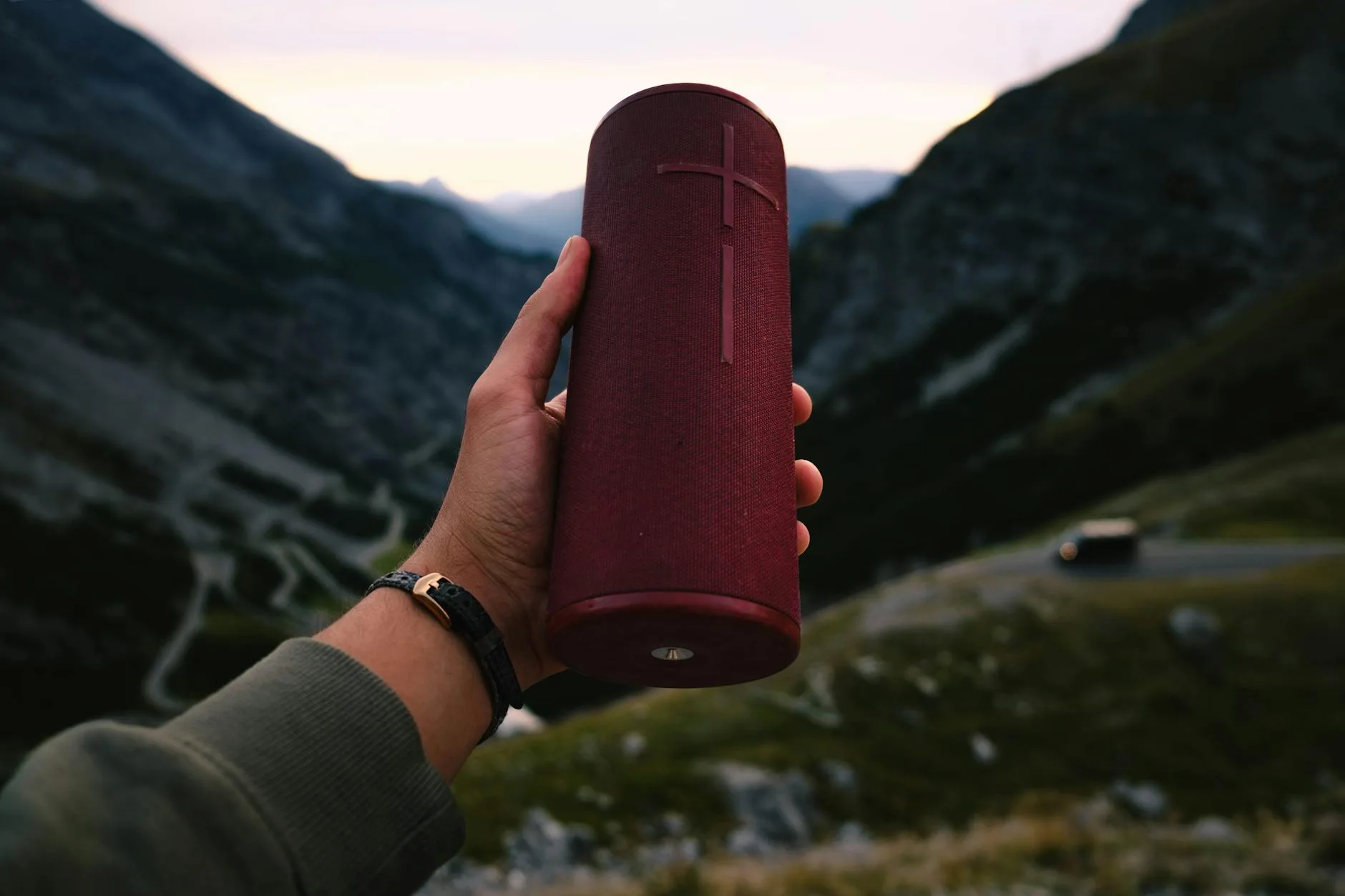
The Roam 2 is the compact Sonos option. SoundLink Plus is a larger Bluetooth-only option. Both have IP67 dust- and water-resistance ratings, but neither rating makes every port, charger or use in water risk-free; follow each maker’s care instructions. For more travel-sized options, see our outdoor speaker comparison.
Soundbars and TV audio
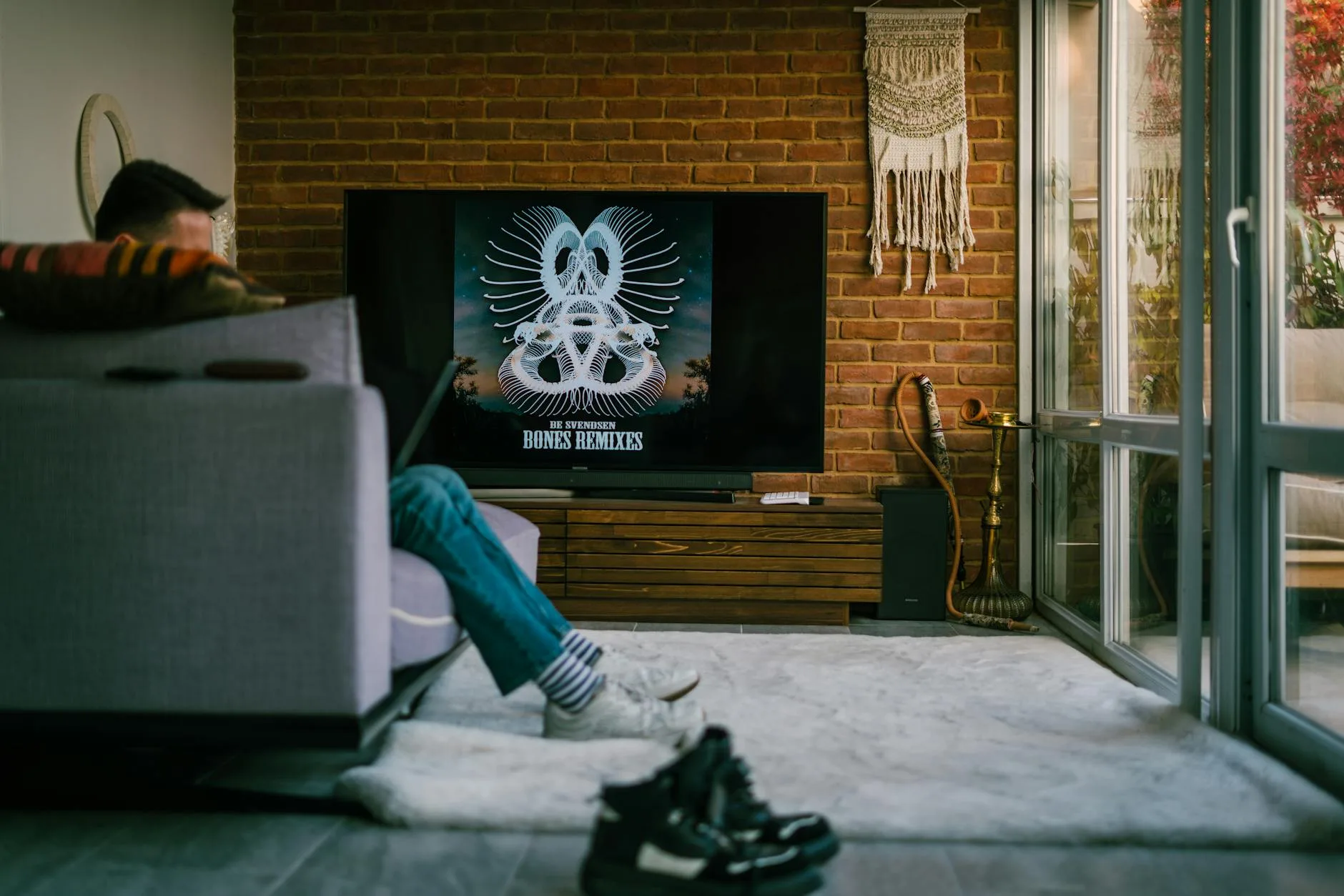
Do not choose a music speaker as a substitute for a TV soundbar without checking the TV connection. Sonos Beam (Gen 2) and Bose Smart Ultra Soundbar are different-size products with different expansion paths; a meaningful TV decision starts with your HDMI ARC/eARC support, room and budget. Our soundbar guide compares TV-focused models, while the speaker-specifications guide explains why a single wattage figure cannot settle sound quality. Compare TV soundbars by their connections and expansion options first, then listen if possible.
The bottom line
Choose Sonos Era 100 when you want to start or expand a Wi-Fi home system. Choose Bose Portable Smart Speaker if one Wi-Fi smart speaker that can also travel between rooms suits you better. For a compact speaker that returns to a Sonos system, pick Roam 2; for a larger Bluetooth-first outdoor speaker, consider SoundLink Plus. Neither brand wins every use case. If sound character is decisive, listen for yourself rather than relying on broad claims about a “Sonos sound” or “Bose sound”.
Frequently Asked Questions
Is Sonos or Bose better for multi-room music? Sonos Era 100 is a clear starting point if you plan to add compatible Sonos speakers across rooms. Bose Portable Smart Speaker also supports grouping with compatible Bose smart products over Wi-Fi. Check the specific models you plan to combine.
Can Sonos and Bose speakers join the same group? Not in the Sonos or Bose app as one native group. Some individual models support AirPlay 2, but availability and synchronisation depend on the source device and the exact speakers; check your intended setup before buying.
Does Sonos Era 100 work without Wi-Fi? It can play Bluetooth audio after initial setup, but Sonos says initial setup requires Wi-Fi and the Sonos app. It is mains powered and is not a portable battery speaker.
Is Bose SoundLink Plus a Wi-Fi speaker? No. It is a Bluetooth portable speaker. Its compatible Bose Bluetooth speaker-link modes are separate from Bose smart-speaker Wi-Fi grouping.
Which speaker is better for a garden or trip? Roam 2 is more compact and can rejoin a Sonos home system over Wi-Fi. SoundLink Plus is a larger Bluetooth-first option. Both carry IP67 ratings; choose by carry size, system needs and your own listening preference.
Should I buy a soundbar instead for TV? Usually yes if improving TV audio is the main goal. Check your TV’s ARC/eARC or optical connections and the exact soundbar’s compatibility before choosing a brand.