You’ve found the perfect pair of headphones — great reviews, the right style, decent price — then you spot “32Ω” in the specs and wonder whether it matters. Or worse, you’ve already bought a pair of 250Ω Beyerdynamics and plugged them into your phone, only to find yourself maxing out the volume and still not getting enough sound. That little omega symbol (Ω) is impedance, and understanding — What Hi-Fi? explains impedance technically, but here we will make it practical. Understanding what those numbers actually mean will save you from buying headphones that don’t work properly with your gear.
Headphone impedance explained in simple terms: it’s the electrical resistance your headphones present to whatever’s driving them. Get the match right and everything sounds full, dynamic, and controlled. Get it wrong and you’re left with quiet, thin, lifeless audio — or worse, distortion. Here’s what you need to know.
What Is Impedance, Actually?
Impedance is measured in ohms (Ω) and describes how much a headphone’s drivers resist the electrical signal being pushed through them. Think of it like water flowing through a pipe. A narrow pipe (high impedance) needs more pressure (voltage) to push the same amount of water through. A wide pipe (low impedance) lets water flow easily with less pressure.
In practical terms, this means:
- Low impedance (8-32Ω) — easy to drive, designed for phones, laptops, and portable devices
- Medium impedance (32-100Ω) — work with most sources but benefit from a decent output
- High impedance (100-600Ω) — need a dedicated headphone amplifier or high-quality audio interface to sound their best
The impedance rating on a spec sheet is nominal — it’s a kind of average across the frequency range. In reality, impedance fluctuates depending on frequency, which is why some headphones sound different out of different sources even when the numbers suggest they should be fine.
One thing to clear up: impedance isn’t the same as sensitivity, though people often confuse them. Sensitivity (measured in dB/mW or dB/V) tells you how loud a headphone gets for a given amount of power. You can have low-impedance headphones with low sensitivity that are still hard to drive. Both numbers matter, but impedance is the one that determines what kind of source you need.
Why Impedance Matters for Your Setup
Here’s where this stops being theoretical and starts affecting your wallet.
Plug a pair of 600Ω Beyerdynamic DT 990s into an iPhone and you’ll get sound — technically. But it’ll be quiet, thin, and you’ll lose all the bass impact and dynamic range that made those headphones worth buying. You’ve essentially wasted £130-180 because the phone can’t supply enough voltage to drive them properly.
On the flip side, plug ultra-sensitive, low-impedance IEMs into a powerful desktop amplifier and you might hear hissing and background noise that wouldn’t be there with a simpler source. The amp’s output impedance is too high relative to the headphone’s impedance, and you’re hearing the noise floor.
This brings up the one-eighth rule — a widely used guideline that says your source’s output impedance should be no more than one-eighth of your headphone’s impedance. So if your headphones are 32Ω, your source should have an output impedance of 4Ω or less. Most modern phones and DAPs manage this easily for low-impedance headphones, but it’s worth checking if you’re using an older amp or audio interface.
Why does this rule exist? When the output impedance is too high relative to the headphones, the frequency response gets altered — bass can become bloated or rolled off depending on the driver design. With multi-driver IEMs, the effect is even more pronounced because each driver has different impedance characteristics.
What Happens When You Get the Match Wrong
The symptoms are predictable:
- High-impedance headphones on a weak source — low volume, thin sound, weak bass, no dynamics. Turning the volume to maximum introduces distortion from the amp stage clipping.
- Low-impedance headphones on an overpowered source — channel imbalance at low volumes (because the volume pot can’t attenuate enough), audible hiss, and potential for accidental ear-damaging volume spikes.
- Output impedance too high — frequency response changes, often a mid-bass hump or treble roll-off. With balanced armature IEMs, the sound can change noticeably.
None of these will damage your headphones — this isn’t like plugging the wrong voltage into an appliance. But they will make them sound notably worse than they should.
Common Impedance Ranges and What They’re For
Let’s break down what you’ll actually see when shopping for headphones in the UK, and what each range means in practice.
Low Impedance: 8-32Ω
This is where most consumer headphones live. Apple’s AirPods Max are 21Ω. The Sony WH-1000XM5 is 48Ω (technically medium, but designed for phone use with active electronics). Most gaming headsets sit at 32Ω.
These are designed to be plugged straight into a phone, laptop, Nintendo Switch, or whatever else you’ve got. No amp needed, no fuss. The trade-off? Low-impedance drivers tend to use thicker, heavier voice coils that are less refined than their high-impedance counterparts. That’s a generalisation with plenty of exceptions, but it’s why audiophile headphones often go higher.
If you’re choosing headphones for commuting, the gym, or casual listening at a desk, low impedance is what you want. Pair them with your phone or laptop and don’t think twice.
Medium Impedance: 32-100Ω
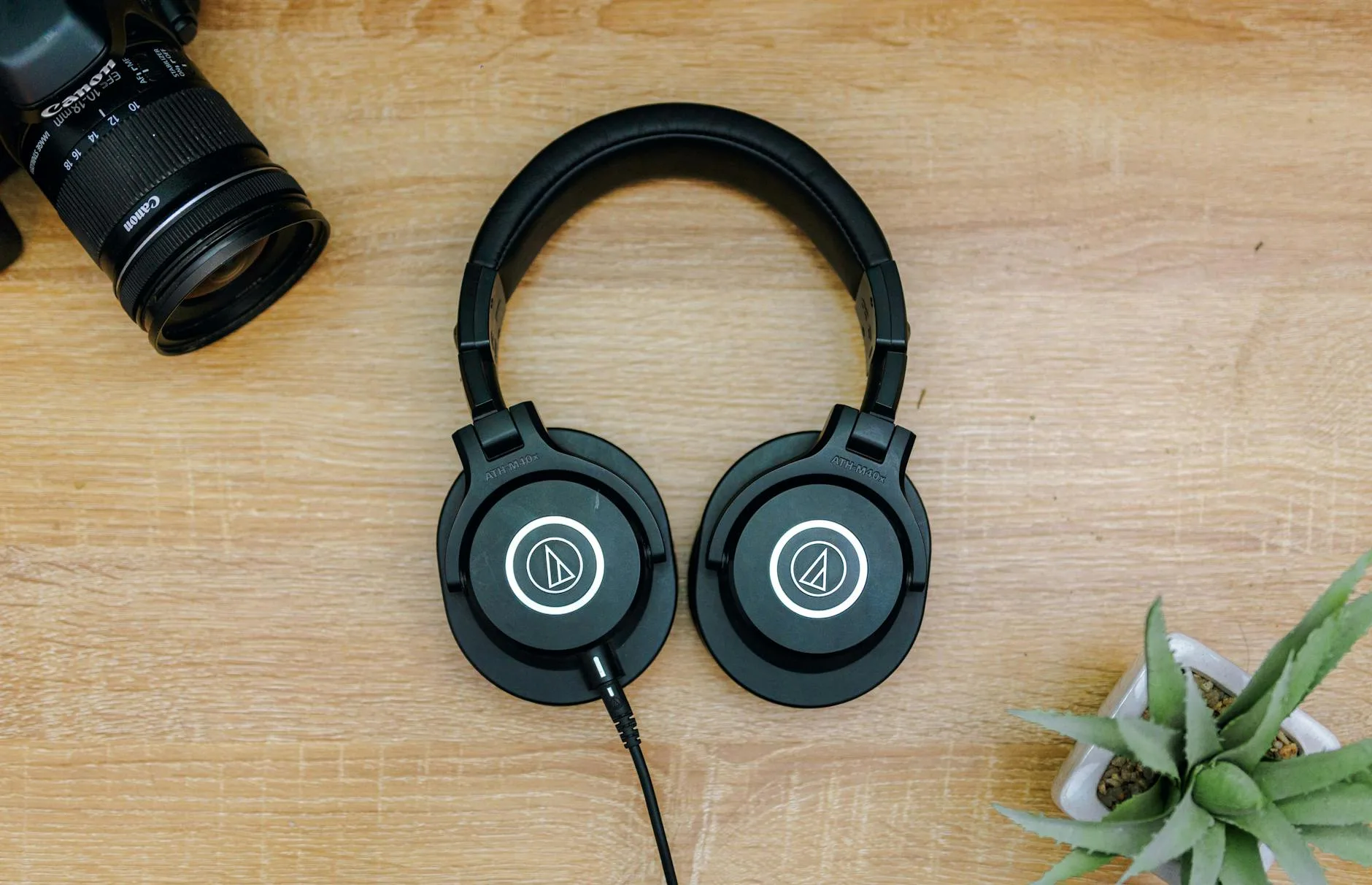
This is a sweet spot that many well-regarded headphones target. The Audio-Technica ATH-M50x sits at 38Ω. The Sennheiser HD 560S is 120Ω (pushing into high territory). The AKG K371 is 32Ω. For a related angle, see our Speaker Specifications Explained: Watts, Sensitivity & Impedance guide.
These headphones will work from a phone but often improve noticeably with a dedicated DAC/amp. Something like a FiiO BTR7 (about £90) or iFi Go Bar (around £100) will give them enough current to really open up. You’ll notice tighter bass, better separation between instruments, and more headroom before things start compressing.
If you’re buying headphones in this range for use with a phone, they’ll be fine — just know there’s more performance available with a better source.
High Impedance: 100-600Ω
This is studio and audiophile territory. The Beyerdynamic DT 770 Pro comes in 80Ω and 250Ω versions. The DT 990 Pro is 250Ω. The Sennheiser HD 650 is 300Ω. The Beyerdynamic DT 880 600Ω edition is exactly what it sounds like.
These headphones are built with thinner voice coils and lighter diaphragms, which can be more responsive and detailed — but they need voltage to move. A phone simply can’t provide it.
You’ll need a headphone amplifier. For the 250Ω Beyerdynamics, something like the JDS Labs Atom Amp+ (about £100 from specialist UK retailers) or a Topping L30 II (around £80-90) will do the job well. For 600Ω headphones, you want something with a bit more voltage swing — the Schiit Magni (around £120 imported) or Lake People G103 are solid choices.
The benefit of high-impedance headphones is that they tend to be less sensitive to source noise and output impedance variations. That 600Ω Beyerdynamic will sound essentially identical out of any competent amp, while a 16Ω IEM might sound different out of every source you try.
Impedance and Different Headphone Types
Different headphone designs handle impedance differently, and it’s worth understanding why.
Over-Ear and On-Ear Headphones
Most dynamic-driver over-ears fall between 32Ω and 300Ω. The impedance is largely determined by the voice coil design — more turns of thinner wire means higher impedance but also a lighter, more responsive driver. This is why many professional and audiophile headphones are high-impedance: the engineering trade-offs favour sound quality when you have a proper amp in the chain. Our Best Turntables Under £300: Vinyl Lover’s Guide guide is useful alongside this.
If you’re looking at over-ear headphones for home listening and you’ve got a decent source, don’t shy away from higher impedance options. A pair of Sennheiser HD 600s (300Ω, about £200-250) with a £80 amp will comfortably outperform most £300 wireless headphones — and you’ll have that setup for years. Our complete headphone buyer’s guide walks through the full decision process if you’re weighing options.
In-Ear Monitors (IEMs)
IEMs typically have very low impedance — often 8-32Ω — because they need to work from portable sources. But the story gets more complicated with multi-driver designs.
Balanced armature drivers (found in higher-end IEMs) have wildly varying impedance across the frequency range. A single BA driver might measure 10Ω at 1kHz but spike to 50Ω at certain frequencies. This means the output impedance of your source has a massive effect on the frequency response — far more than with dynamic drivers.
This is why IEM enthusiasts obsess over source output impedance. That one-eighth rule becomes critical. For sensitive IEMs, you ideally want an output impedance under 1Ω.
Wireless and Noise-Cancelling Headphones
Here’s the thing — if you’re using wireless headphones, impedance is essentially irrelevant to you. The amplifier is built into the headphones themselves, matched to the drivers by the manufacturer. The Bluetooth DAC/amp does all the work internally.
The impedance spec might still appear on the data sheet, but it only matters if you plug in a cable and use them in passive or wired mode. Some noise-cancelling headphones sound noticeably worse in wired passive mode because the drivers were optimised for the internal amp. If you want to understand the tech behind wireless models, have a look at our guide on how noise cancelling works.
Do You Actually Need a Headphone Amp?
most people don’t. If you’re using headphones under 50Ω with a modern phone or laptop, you’re fine. The built-in audio on recent MacBooks, iPhones, Samsung Galaxy phones, and most Windows laptops handles low-impedance headphones without breaking a sweat.
You need an amp when:
- Your headphones are over 80Ω and you’re using a phone or basic laptop as a source
- You’re maxing out the volume and still wanting more — a clear sign your source can’t drive the headphones
- The sound is thin or lifeless compared to what reviews describe — your source might not have enough current
- You hear distortion at higher volumes — the built-in amp is clipping
- You’re using an audio interface with a weak headphone output (looking at you, Focusrite Scarlett Solo first-gen)
A good starter DAC/amp combo handles both the digital-to-analogue conversion and amplification in one box. The iFi Zen DAC V2 (about £170) is excellent — it has enough power for 300Ω headphones and works with everything via USB. The Topping DX3 Pro+ (around £180-200) is another strong option with a cleaner, more analytical sound. For independent guidance, check WHO hearing loss factsheet.
If you’re on a tight budget, a simple dongle DAC like the Apple USB-C to 3.5mm adapter (about £9 from Amazon UK) is surprisingly capable for low-to-medium impedance headphones. It won’t drive 250Ω Beyerdynamics, but for anything under 80Ω it performs well above its price.
Impedance and Sound Quality: Separating Fact from Myth
Let’s kill a few myths that float around headphone forums.
“Higher impedance always means better sound.” Nope. Impedance is an electrical characteristic, not a quality indicator. There are brilliant 32Ω headphones and mediocre 600Ω ones. The correlation exists mainly because manufacturers who build high-impedance headphones tend to be targeting the enthusiast market and put more care into driver design — but that’s a market positioning thing, not a physics thing.
“You need to spend hundreds on an amp.” Also no. The jump from “no amp” to “basic competent amp” is huge. The jump from a £80 amp to a £500 amp is subtle at best. Diminishing returns hit hard in the amplifier world. Don’t blow your budget on the amp when the headphones matter far more.
“Impedance adapters fix everything.” Those little inline resistors that add impedance to your headphones? They have a specific use case — reducing hiss with sensitive IEMs on noisy sources. They don’t help with driving high-impedance headphones and they slightly reduce the signal reaching your drivers. Not a general solution.
“My phone can drive anything if I turn it up.” Nope. Volume isn’t the only issue. Even if you get adequate loudness, the amp section in a phone lacks the current delivery to control high-impedance drivers properly. The bass gets flabby, transients lose their snap, and dynamic range compresses. You’re hearing the headphones at maybe 60% of their capability.

A Practical Guide to Matching Your Headphones
Rather than memorising impedance charts, here’s a simple approach.
Step 1: Check your headphones’ impedance. It’s in the specs. If you can’t find it, it’s almost definitely under 50Ω and designed for phone use.
Step 2: Consider your source. Phone, laptop, audio interface, dedicated amp? Each has different driving capability.
Step 3: Use this as a rough guide:
- Phone or tablet — comfortable driving up to about 50Ω. Struggles above 80Ω.
- Laptop (recent MacBook or decent Windows machine) — good up to about 80-100Ω. The Apple Silicon MacBooks have surprisingly decent headphone outputs.
- Portable DAC/amp dongle — extends your phone’s capability to about 150-250Ω depending on the device.
- Desktop DAC/amp — handles anything up to 600Ω without issues.
- Audio interface (Focusrite, Audient, etc.) — varies wildly. Check the headphone output specs. Some are great, some are disappointing.
Step 4: Listen. If it sounds good and gets loud enough without distortion, you’re fine. Trust your ears over specs. All of this technical guidance is in service of one thing: making sure your headphones sound the way they were designed to.
If you’re still weighing up which headphones to buy, our best budget headphones under £50 roundup focuses on models that work brilliantly without extra gear.
Frequently Asked Questions
What impedance headphones should I get for my phone? For phone use, stick with headphones rated at 32Ω or lower. Most consumer headphones and all wireless models are designed for this. Up to about 50Ω will usually work fine, but above that you may notice lower volume and thinner sound.
Can high impedance headphones damage my phone? No. High-impedance headphones won’t damage your phone at all. They’ll just sound quieter and less dynamic than they should. The phone’s amp will work harder but it’s designed to handle this safely.
Do I need a headphone amp for 250 ohm headphones? Yes, you’ll get considerably better performance with a dedicated amp. A phone or laptop can technically produce sound from 250Ω headphones, but you’ll be missing out on bass impact, dynamics, and overall sound quality. A basic amp like the JDS Labs Atom or Topping L30 II (around £80-100) will make a dramatic difference.
Does higher impedance mean better sound quality? Not directly. Higher impedance allows for different driver designs that can sound excellent when properly amplified, but the impedance number alone doesn’t indicate quality. There are outstanding low-impedance headphones and mediocre high-impedance ones. What matters is the overall design, driver quality, and whether your source can drive them properly.
What is the one-eighth rule for headphone impedance? The one-eighth rule states that your audio source’s output impedance should be no more than one-eighth of your headphone’s impedance. For example, 32Ω headphones work best with a source that has 4Ω or lower output impedance. This ensures the source doesn’t alter the headphone’s frequency response.