The Denon DHT-S218 is the best single-bar solution for most UK living rooms, while the Hisense AX5125H is the best complete home-cinema package. Choose the Denon when one uncomplicated bar, HDMI eARC and no separate speakers matter most. Choose the Hisense when films take priority and you have room and mains sockets for its subwoofer and rear speakers.
Best Soundbars at a Glance
Start with the physical system you can live with. A single bar is tidy; a bar and subwoofer add bass; rear speakers create more convincing surround but need power and space. Channel counts are useful only after that basic decision.
| Soundbar | Verdict | System | Best for |
|---|---|---|---|
| Hisense HS2000 | Best budget single bar | 2.1 all-in-one | Bedrooms and smaller TVs |
| Denon DHT-S218 | Best single bar for most people | 2.1 with virtual Atmos | Typical living rooms and low-clutter setups |
| Samsung HW-Q600F | Best 3.1.2 system | 3.1.2 with subwoofer | Films without separate rear speakers |
| Hisense AX5125H | Best complete home-cinema package | 5.1.2 with rears and subwoofer | Immersive films and larger setups |
| Bose TV Speaker | Best dialogue-first option | Compact 2.0 | Speech, simplicity and small rooms |
| Sonos Arc Ultra | Best premium expandable single bar | Premium Atmos all-in-one | Sonos homes and larger TVs |
Check your television before ordering. HDMI eARC gives the cleanest route for modern formats, while ARC and optical are useful fallbacks. Our HDMI ARC, eARC and optical guide explains the connection differences.
The Six Best Soundbars
1. Hisense HS2000 — Best Budget Single Bar

The HS2000 earns the budget category by putting a 2.1-channel layout, built-in bass, HDMI ARC, optical input and Bluetooth into one 80 cm-wide cabinet. It suits bedrooms, flats and smaller televisions where the priority is a neater upgrade rather than a multi-speaker cinema system.
Compared with the Denon, it is 9 cm narrower, but it gives up eARC, HDMI passthrough and Denon’s dialogue enhancer. Its built-in bass also cannot provide the physical low-frequency reach of the Samsung or AX5125H subwoofer systems. Buy it to keep cost and clutter down, not as a substitute for a complete surround package.
- Best for: Bedrooms, flats and smaller televisions.
- System: 2.1 all-in-one.
- Before buying: Confirm HDMI ARC is sufficient; there is no eARC and no separate subwoofer for deeper film bass.
2. Denon DHT-S218 — Best Single Bar for Most People

The Denon is the best all-in-one soundbar for most people who want one uncomplicated bar. Its 89 cm cabinet includes two downward-firing bass drivers, HDMI eARC, an HDMI input and three-level dialogue enhancement, so it covers more modern-TV needs than the simpler HS2000 without adding a subwoofer or rear speakers.
That convenience defines the recommendation; it is not the strongest-performing system in every room. Its Atmos presentation is virtual, with no physical height or rear channels. Choose the Samsung instead for a dedicated centre channel, up-firing drivers and separate bass, or the AX5125H when real rear-speaker coverage matters more than a tidy one-box installation.
- Best for: Typical living rooms where one bar and simple control matter most.
- System: 2.1 with virtual Atmos.
- Before buying: Check that virtual Atmos and an all-in-one design meet your expectations; there are no discrete height or rear speakers.
3. Samsung HW-Q600F — Best 3.1.2 System

The Q600F is the useful middle ground between Denon’s one-box simplicity and the AX5125H’s full surround package. Its dedicated centre channel, two up-firing channels and wireless subwoofer suit medium-sized living rooms where films matter, but rear speakers would be awkward to place.
It offers more physical home-cinema hardware than the Denon while requiring less space and fewer sockets than the AX5125H. The compromise is that surround behind the sofa is not included, the subwoofer still needs floor space and optional rears cost extra. Q-Symphony and SpaceFit Sound Pro also depend on compatible Samsung televisions, so treat them as bonuses rather than reasons to buy the core system.
- Best for: Film viewing in medium-sized living rooms without separate rears.
- System: 3.1.2 with subwoofer.
- Before buying: Allow floor space for the subwoofer and confirm your Samsung TV model supports any Q-Symphony or SpaceFit feature you expect to use.
4. Hisense AX5125H — Best Complete Home-Cinema Package

The AX5125H is the stronger value choice for buyers willing to accommodate a complete 5.1.2 package. The bar, wireless subwoofer and two rear speakers suit medium-to-larger living rooms where film immersion matters more than keeping every component on the TV unit.
Unlike the Samsung, it includes speakers behind the seating position; unlike the Denon, it is designed as a complete system rather than a virtual-surround single bar. That makes it the better purchase when room coverage matters most. The trade-off is four physical units: the subwoofer needs floor space, each rear needs sensible placement and power, and the extra hardware is excessive for a bedroom or compact lounge.
- Best for: Film-focused medium-to-larger rooms without an AV receiver.
- System: 5.1.2 with rears and subwoofer.
- Before buying: Confirm rear-speaker positions, nearby mains sockets and enough floor space for the subwoofer before choosing the package.
5. Bose TV Speaker — Best Dialogue-First Option

The 59.4 cm-wide Bose TV Speaker earns its place by focusing on dialogue and simple operation rather than home-cinema specifications. It fits smaller lounges, bedrooms and secondary televisions more easily than any other model here, with HDMI ARC, optical input and a dedicated dialogue mode.
Compared with the HS2000, its case rests on the dedicated dialogue mode and smaller cabinet—not Atmos support, surround channels or stronger bass. It is deliberately the least cinematic recommendation in the shortlist. Choose it when speech and a compact footprint come first; choose the Hisense when a 2.1 layout, DTS Virtual:X and built-in bass are more useful.
- Best for: Speech, simple controls and smaller rooms.
- System: Compact 2.0.
- Before buying: Make sure simplicity and dialogue take priority over Atmos, surround and cinematic bass; Bose supplies an optical cable, but not an HDMI cable.
6. Sonos Arc Ultra — Best Premium Expandable Single Bar

Arc Ultra earns the premium category by combining a single-bar installation with Sonos multi-room integration and a controlled upgrade path. Its 117.8 cm width suits larger televisions and wider cabinets, while compatible Sonos subwoofers and surrounds can be added later without replacing the bar.
It is tidier than the Samsung or AX5125H packages and more expandable than the other single bars, but the buyer pays for that software and ecosystem as well as the hardware. It makes little sense for someone who only wants clearer speech, and future expansion keeps you within Sonos rather than letting you mix ordinary passive speakers or another brand’s subwoofer.
- Best for: Larger televisions, existing Sonos homes and buyers planning later upgrades.
- System: Premium expandable Atmos single bar.
- Before buying: Confirm HDMI eARC for the highest-bandwidth formats, 117.8 cm of cabinet width and willingness to use the Sonos ecosystem for compatible upgrades.
How to Choose a Soundbar
Check connections first
Use HDMI eARC where both television and soundbar support it. It can carry higher-bandwidth formats and normally allows television-remote volume control. Ordinary ARC is adequate for many compressed formats, while optical is dependable for basic stereo or Dolby Digital but does not carry the full range of newer formats.
Choose between tidy and powerful
A single bar suits rented homes, narrow rooms and anyone avoiding extra cables. A separate subwoofer gives films more scale but can disturb adjoining rooms and needs careful placement. Rear speakers improve directionality more than another virtual-surround logo, but they add furniture and power-socket constraints.
Prioritise dialogue properly
A dedicated centre channel helps anchor voices, but processing and mixing still vary between programmes. Dialogue modes can be useful at night; they are not a cure for poor source audio. The Bose is the simplest speech-led option here, while the Samsung adds a physical centre channel within a broader film system.
Measure the room and TV stand
Check width, height and infrared-sensor position. A tall bar can block the bottom of a low television, and a wide model can overhang compact furniture. If you are deciding whether a soundbar is the right format at all, compare our soundbar versus AV receiver guide.
Dolby Atmos and Surround Sound
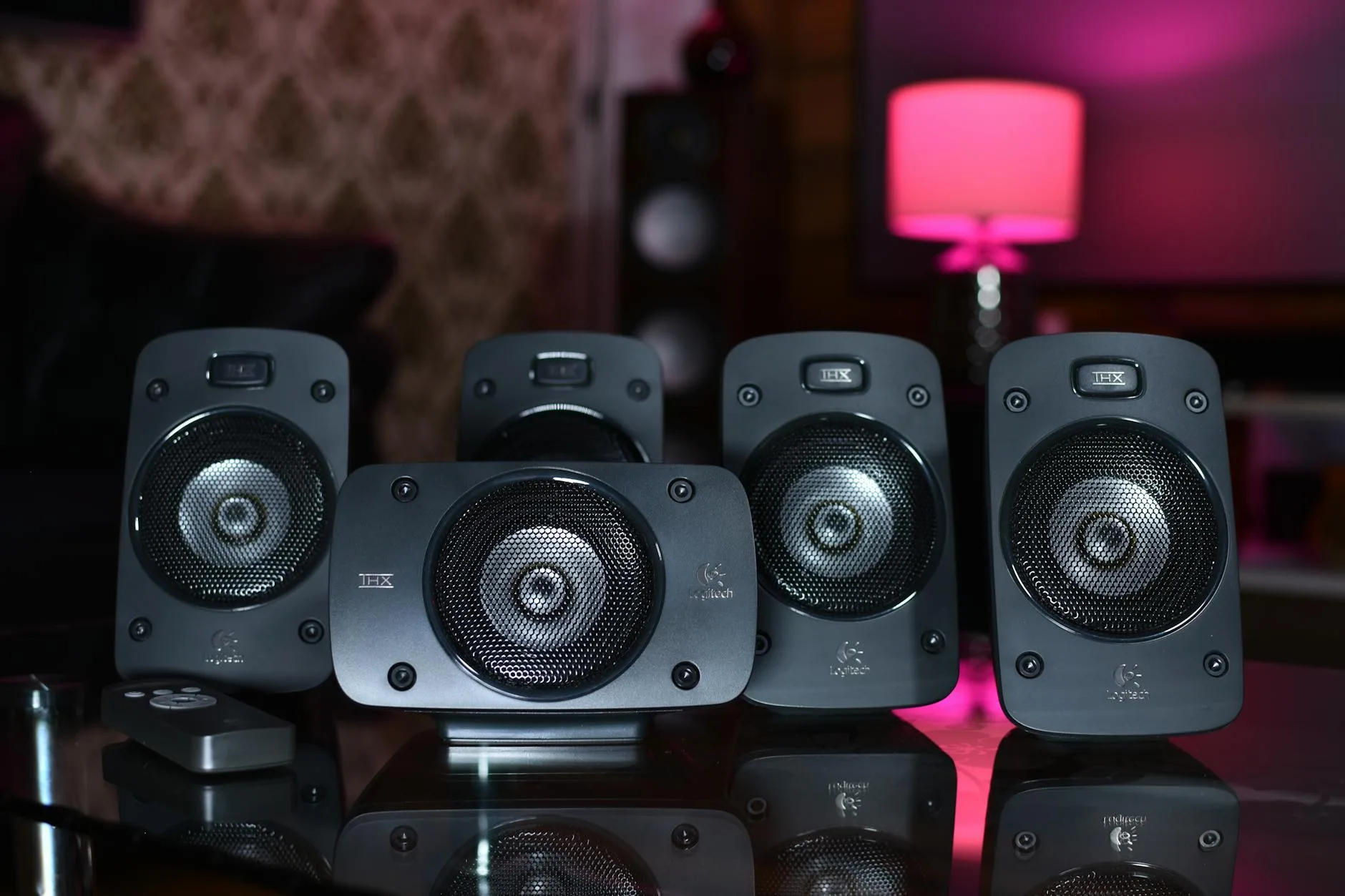
Dolby Atmos adds height information, but hardware determines how convincingly it is reproduced. Up-firing drivers use the ceiling to reflect sound; high, vaulted or heavily absorbent rooms reduce that effect. A single-bar virtual presentation can add spaciousness, but it is not the same as discrete rear and height speakers.
The Denon is the tidy virtual-Atmos choice, the Samsung adds physical up-firing channels and a subwoofer, and the Hisense AX5125H adds rears. Our Dolby Atmos explainer covers content, codecs and speaker layouts, while Dolby Atmos versus DTS:X explains format compatibility.
Do not buy by quoted watts alone. Manufacturers measure and present output differently, and peak figures say little about dialogue clarity, distortion or room integration. Channel layout, driver placement, connection support and sensible setup are more useful buying criteria.
Setup and Placement
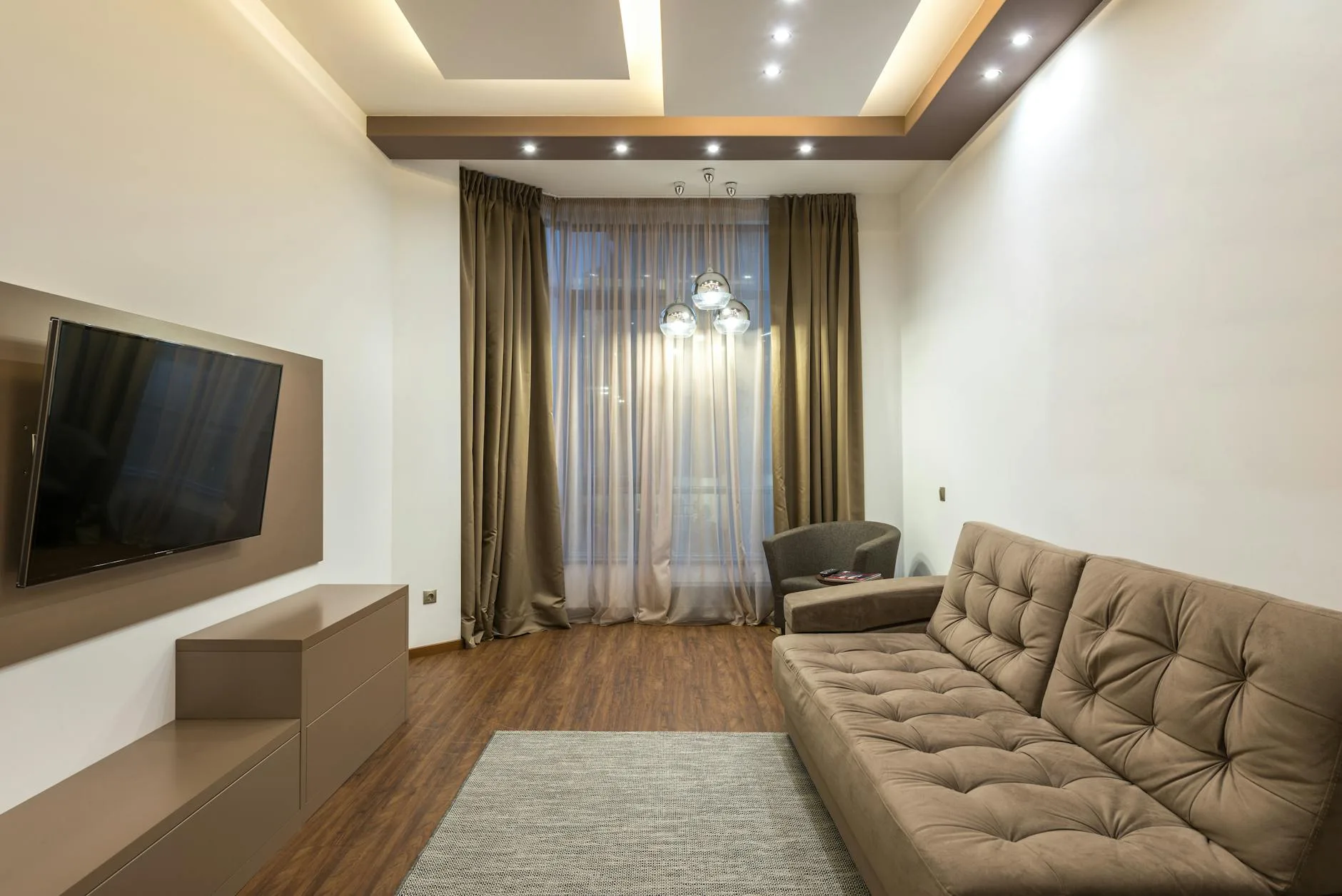
- Centre the bar: place it directly below or above the screen so voices appear connected to the picture.
- Keep drivers clear: do not hide side- or up-firing units inside a cabinet.
- Connect sources logically: use the television as the switching hub unless the bar has a specific passthrough feature you need.
- Position the subwoofer carefully: start near the front wall, then move it if bass sounds boomy or uneven.
- Run calibration: use the maker’s room-tuning process where supplied, then check dialogue and bass with familiar content.
Rear speakers should sit behind or just to the side of the listening position rather than beside the television. Our surround-speaker placement guide gives a practical layout for rooms that can accommodate them.
Final Verdict
Choose the Denon DHT-S218 if you want the best single-bar solution for most living rooms: one uncomplicated unit, useful connectivity and no separate speakers to place. Choose the Hisense AX5125H instead if you want the best complete home-cinema package for the money and can accommodate its subwoofer, rear speakers and mains requirements. The Samsung HW-Q600F sits between them, adding physical height channels, a centre channel and separate bass without demanding rear-speaker space.
The Hisense HS2000 remains the budget one-bar pick, the Bose TV Speaker is for dialogue and simplicity rather than cinema scale, and the Sonos Arc Ultra is the premium choice for a wide television and a planned Sonos system. The right answer is therefore about the amount of hardware you can house, not which model has the longest specification list.
If you mainly listen to music and have space for separate boxes, a pair of bookshelf speakers may still be the better long-term system. Soundbars win on television integration and low clutter.
Frequently Asked Questions
What is the best soundbar for most people?
The Denon DHT-S218 is the best single-bar choice for most people. The Hisense AX5125H is the better complete package when you have room for its subwoofer and rear speakers.
Do I need HDMI eARC for a soundbar?
No, but eARC is the best option for higher-bandwidth formats. ARC or optical can still work well for simpler systems.
Is Dolby Atmos worth it on a soundbar?
It can add spaciousness, especially with up-firing drivers and a suitable ceiling. A single bar cannot fully replace discrete height and rear speakers.
Will a soundbar improve dialogue?
Usually, particularly when it has a centre channel or dialogue mode. Results still depend on the programme mix and room acoustics.
Do wireless subwoofers need power cables?
Yes. Wireless normally describes the audio connection to the bar; the subwoofer still needs mains power.
Can I use a soundbar for music?
Yes, but stereo speakers often give better separation and upgrade flexibility. A soundbar is primarily the neater television solution.