Vinyl is not automatically better than digital. The honest answer is that digital is cleaner, cheaper and more accurate for most people, while vinyl can feel more involving when the record, turntable and listening setup are all good. If you are asking about vinyl vs digital sound quality, the winner depends less on romance and more on mastering, playback kit, speakers and how much faff you actually enjoy.
In This Article
- The Short Answer
- Vinyl vs Digital Sound Quality: What Actually Changes
- Where Vinyl Still Wins
- Where Digital Is Clearly Better
- UK Costs: Records, Streaming and Hi-Fi Kit
- Your Speakers and Room Matter More Than the Format
- Who Should Choose Vinyl and Who Should Go Digital
- Frequently Asked Questions
The Short Answer
Digital wins on accuracy. Vinyl wins on ritual. That sounds glib, but it is the cleanest way to frame the argument.
If you want the most faithful playback
Use digital. A decent lossless stream, CD rip or FLAC file has lower noise, better channel separation, wider usable dynamic range and no groove wear. You can get excellent playback from a £100 to £200 DAC, a phone or streamer, and a good pair of speakers.
Apple’s own lossless audio support notes show how mainstream digital playback now covers CD-quality and hi-res streams. You do not need rare kit to get clean digital sound; you need the right settings and a playback chain that is not bottlenecked by poor speakers or Bluetooth compression.
If you want the more engaging experience
Vinyl can win. Pulling a record from its sleeve, lowering the stylus and listening to a whole side changes how you behave. You stop skipping. You look at the artwork. You accept the odd crackle. That does not make it technically superior, but it can make the listening session better.
My own rule is simple: I buy vinyl for albums I want to sit with, not for background music while cooking. For playlists, new releases and casual listening, digital is easier and usually sounds cleaner.
Vinyl vs Digital Sound Quality: What Actually Changes
The phrase vinyl vs digital sound quality gets thrown around as if the format alone decides the result. It does not. A badly mastered record can sound flat and noisy. A good digital master can sound superb. A poor Bluetooth speaker can make both formats sound small.
Noise floor and surface noise
Digital has the lower noise floor. With a decent file or stream, silence is silence. Vinyl has physical contact between stylus and groove, so you get some background noise: low rumble, dust clicks, static and groove wear if the record has had a hard life.
That noise is not always annoying. A light crackle can feel part of the format. But if you listen quietly at night, or you love sparse piano, ambient music or classical recordings, vinyl noise becomes much harder to ignore.
Dynamic range and mastering
Digital can handle more dynamic range than vinyl, but that does not mean every digital release uses it well. Some streaming versions are mastered loud and compressed. Some vinyl releases use a different master that sounds warmer or less aggressive. That is often where the “vinyl sounds better” claim starts.
The real comparison is not vinyl versus digital in the abstract. It is this pressing versus this stream, through this system, in this room.
Frequency response and bass
Vinyl has physical limits. Very deep bass, heavy stereo bass and hot high-frequency content are harder to cut and track cleanly. Engineers work around this, but the medium has constraints. Digital does not need those same compromises.
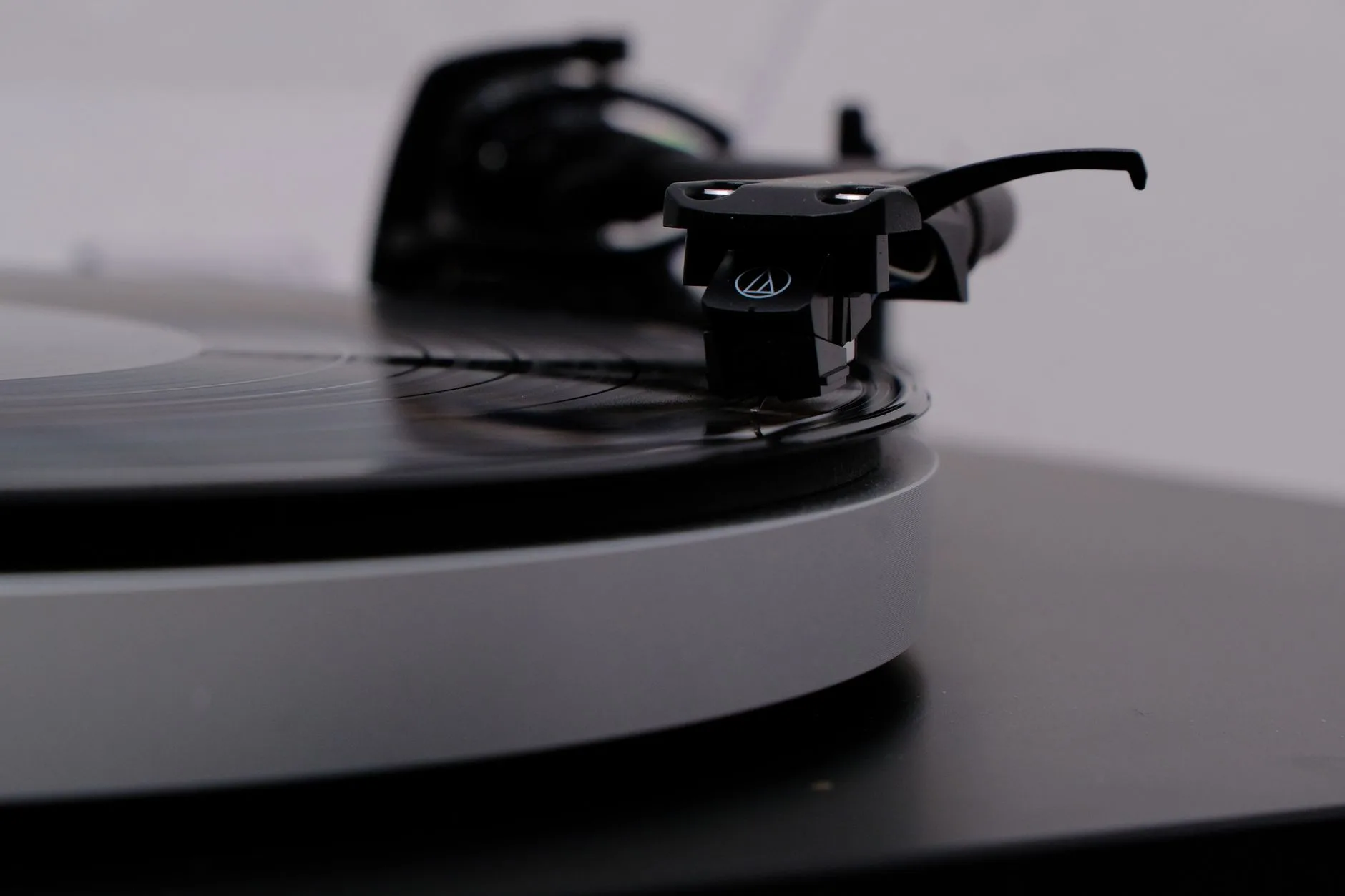
With a good pressing and cartridge, vinyl can still sound full and open. It just gets there through a mechanical chain: platter speed, tonearm setup, cartridge alignment, stylus condition and phono stage quality all matter.
Where Vinyl Still Wins
Vinyl is best when you value the experience as much as the measurement. That is not a cop-out. Music is not listened to on a graph.
Album focus
Vinyl makes it harder to treat music as wallpaper. A side is usually 18 to 22 minutes. You put it on, listen, then get up to turn it over. That tiny interruption makes you notice the album structure in a way streaming often does not.
This is why vinyl suits classic albums, jazz, soul, post-rock, singer-songwriter records and anything where sequencing matters. It is less useful for gym playlists, algorithmic discovery or hopping between singles.
Physical ownership
Records feel like objects. Cover art is large. Liner notes are readable. A good pressing feels like something worth keeping. If you grew up with tiny thumbnails and shuffle buttons, that physical side can be a big part of the appeal.
There is a cost. New LPs in the UK are commonly £24 to £38, with some double albums nearer £40 to £55. Second-hand records can be £3 to £15 in charity shops and record fairs, but desirable clean pressings climb quickly. Storage also matters; our guide to vinyl storage shelves, crates and cabinets is worth reading before the collection starts living in random piles.
The sound people call warm
Vinyl warmth usually comes from a mix of mastering choices, cartridge character, phono-stage behaviour and mild distortion. That can be pleasing. It can make some records feel thicker, softer or more relaxed than a bright digital version.
Just be clear what you are buying. Warm does not mean accurate. Sometimes it means flattering. That can be exactly what you want on an old soul record and not what you want for electronic music with tight sub-bass.
Better records reward better setup
Vinyl has a lovely upgrade path if you enjoy tinkering. A £250 Audio-Technica or Pro-Ject deck can get you started. A better cartridge, mat, phono stage or speaker placement can bring audible gains.
The catch is that setup errors are audible too. Poor tracking force, a dusty stylus or a wobbly surface will undo the romance quickly. If you are new, start with our beginner turntable picks and turntable setup guide before chasing exotic upgrades.
Where Digital Is Clearly Better
Digital is not the enemy of music. It is the practical choice for most listening, and in many systems it is the better-sounding one.
Clean playback for less money
For £10.99 to £19.99 a month, you can access millions of tracks through Spotify, Apple Music, Amazon Music, Tidal or Qobuz. Lossless tiers vary by service, but even a basic paid streaming setup is more convenient than buying every album on vinyl.
A good digital chain can be very affordable:
- Budget: WiiM Mini streamer around £89 to £99, into powered speakers or an existing amp.
- Mid-range: WiiM Pro Plus around £199 or Cambridge Audio MXN10 around £399.
- DAC upgrade: iFi Zen DAC V2 around £159 or Cambridge Audio DacMagic 200M around £449.
- Powered speakers: Edifier models from about £100, Q Acoustics M20 around £399, KEF LSX II LT around £899.
That is not pocket change, but it is far less than building a large record collection.
No wear and less maintenance
Digital files do not wear out. They do not need anti-static sleeves, stylus brushes, wet cleaning or careful shelving. They also do not care if your room gets warm in July.
Vinyl is physical media, and physical media needs care. If you buy records, budget for inner sleeves, a carbon-fibre brush and proper storage. Expect £10 to £25 for basic cleaning accessories and £20 to £35 for a pack of decent anti-static sleeves. Our guide to storing vinyl records safely covers the boring bits that stop expensive records warping.
Better for discovery
Digital wins discovery by miles. You can jump from a review to an album in seconds, compare masters, build playlists and try artists without committing £30 to a record you may play twice.
If you care about file quality, learn the difference between MP3, AAC, FLAC, ALAC and WAV. Our audio file formats explainer is more useful than arguing about vinyl on forums for three hours. Ask me how I know.
UK Costs: Records, Streaming and Hi-Fi Kit
The vinyl-versus-digital decision often becomes a budget decision once the excitement wears off. Vinyl sounds romantic until you price five new LPs and realise you have spent the same as a year of discounted streaming.
Vinyl starter costs
A sensible UK vinyl setup starts around £350 to £650 before buying many records:
- Turntable: Audio-Technica AT-LP120XUSB around £279, Pro-Ject Debut Carbon EVO around £449, Rega Planar 1 around £299.
- Phono stage: built into some decks and amps, or £79 to £149 for a basic standalone model.
- Stylus replacement: often £25 to £95 depending on cartridge.
- Record brush and sleeves: about £20 to £50 for a basic care bundle.
- Records: £24 to £38 for many new LPs, less for used records if condition is good.
Official cartridge specs matter because replacement styli are not universal. For example, Ortofon’s 2M Red cartridge page shows the matching stylus and tracking details; that sort of compatibility check is dull but saves buying the wrong part.
Digital starter costs
Digital can start much lower if you already own headphones or speakers. A phone into wired headphones can sound good with the right adapter. A laptop into a USB DAC can be excellent. A streamer into an existing amp is tidy and family-friendly.
Typical UK spend:
- Streaming subscription: roughly £10.99 to £19.99 per month depending on service and tier.
- USB-C or Lightning DAC dongle: £9 to £59.
- Desktop DAC/headphone amp: £80 to £250.
- Network streamer: £89 to £399 for strong mainstream options.
- Bookshelf speakers: £199 to £599 for a big jump over TV or laptop speakers.
If you are starting from nothing, I would put the first serious money into speakers. A £300 digital source through good speakers beats a £700 turntable through poor ones.
The hidden cost: buying twice
The most common mistake is building both systems badly. A cheap suitcase record player and a cheap Bluetooth speaker will make vinyl and digital sound worse than they should. Pick one proper route first.
If vinyl is the dream, buy a real turntable and use a modest digital setup for casual listening. If digital is the main system, buy better speakers, improve placement, and maybe add vinyl later when the basics are sorted.
Your Speakers and Room Matter More Than the Format
Most people arguing about formats are ignoring the biggest variable in the room: the room.
Speakers set the ceiling
Speakers shape the sound more than the source format once the source is competent. A good lossless stream through poor speakers will sound poor. A lovely pressing through badly placed speakers will still sound vague and boomy.
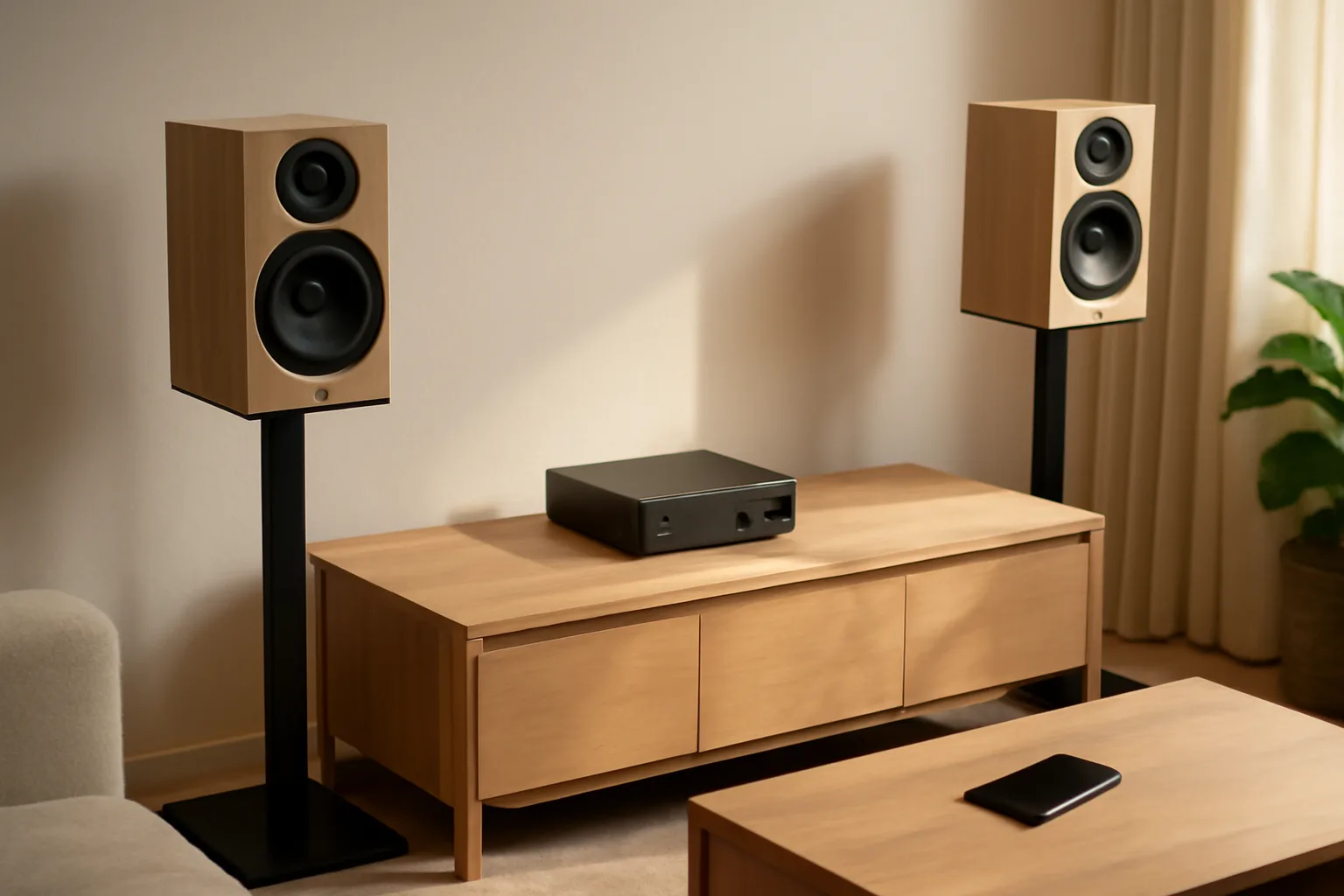
If your speakers are on a bookshelf, jammed against the wall, one behind a plant and one beside a radiator, vinyl will not rescue the sound. Start with positioning. Our guide to speaker positioning for the best sound will usually make a bigger difference than swapping streaming services.
Room reflections and bass
UK living rooms are not listening labs. Wooden floors, bay windows, glass doors, rugs, sofas and alcoves all change the sound. Bass can boom in corners. Treble can get splashy in bare rooms. The format does not fix that.
Simple wins:
- Pull speakers forward: even 15cm to 30cm from the rear wall can tighten bass.
- Use stands if possible: tweeters should be near ear height when seated.
- Add soft furnishings: rug, curtains and sofa cushions reduce harsh reflections.
- Keep left and right balanced: similar distance from walls helps stereo imaging.
I have heard modest systems sound excellent after careful placement, and expensive systems sound messy because the speakers were shoved wherever they fitted. Boring setup work pays.
Headphones change the answer
With headphones, digital has an even stronger case. You remove room problems, get low noise, and can use a portable DAC for little money. Vinyl through headphones can sound intimate, but surface noise and hum are easier to hear.
For headphone listening, I would choose digital unless you already love the vinyl process. Spend the money on better headphones before buying records.
Who Should Choose Vinyl and Who Should Go Digital
The best choice is the one that matches your listening habits, not the one that wins an online argument.
Choose vinyl if
Vinyl makes sense if you:
- Listen to whole albums rather than skipping constantly.
- Enjoy physical collections and want artwork, sleeves and ownership.
- Do not mind maintenance such as cleaning records and replacing styli.
- Have space for shelves, a stable turntable surface and proper speaker placement.
- Accept the cost of £25 to £40 records without resenting it.
If that sounds like you, vinyl can be brilliant. Start with a sensible deck, buy clean records, and resist the urge to upgrade everything in the first month. The best turntables under £300 are a better place to begin than a battered vintage deck with unknown problems.
Choose digital if
Digital makes more sense if you:
- Listen while working, cooking or exercising and want convenience.
- Care about value and want access to a huge library.
- Prefer clean playback without pops, dust or wear.
- Use headphones often or move between rooms.
- Want easy upgrades through speakers, DACs or streaming settings.
For most people, digital is the better first hi-fi route. Add a decent DAC or streamer, choose good speakers from our bookshelf speaker picks, and you will get a cleaner result for less money.
The answer I would give a friend
If you already love records, buy vinyl for albums that matter and use digital for everything else. If you are starting from zero and only care about sound quality, build a digital system first. It is cheaper, cleaner and easier to get right.
Vinyl is not better than digital. Good vinyl can be more enjoyable than poor digital, and good digital can beat mediocre vinyl without breaking sweat. The format matters, but the recording, mastering, speakers, room and listener matter more.
Frequently Asked Questions
Is vinyl really better than digital? Not technically. Digital is cleaner and more accurate, but vinyl can feel more engaging because of the physical format, album focus and playback ritual.
Does vinyl sound warmer than streaming? It often can, but that warmth usually comes from mastering, cartridge character, phono-stage behaviour and mild distortion rather than magic in the format itself.
Is a cheap turntable worth buying? Avoid suitcase-style players. A proper starter turntable around £250 to £350 is a much better buy because it tracks records safely and gives the format a fair chance.
Can digital sound as good as vinyl? Yes. A lossless digital source through a good DAC, amplifier and speakers can sound cleaner and more accurate than many vinyl setups.
What should I upgrade first for better sound? Upgrade speakers or headphones first, then placement and room setup. Source upgrades matter, but poor speakers limit both vinyl and digital.
Should I buy vinyl or improve my streaming setup? Improve streaming first if sound quality and value are the main goals. Buy vinyl if you want the physical collection and album-listening ritual.